Investigation launched into HIV diagnosis leaks to indigenous communities via WhatsApp
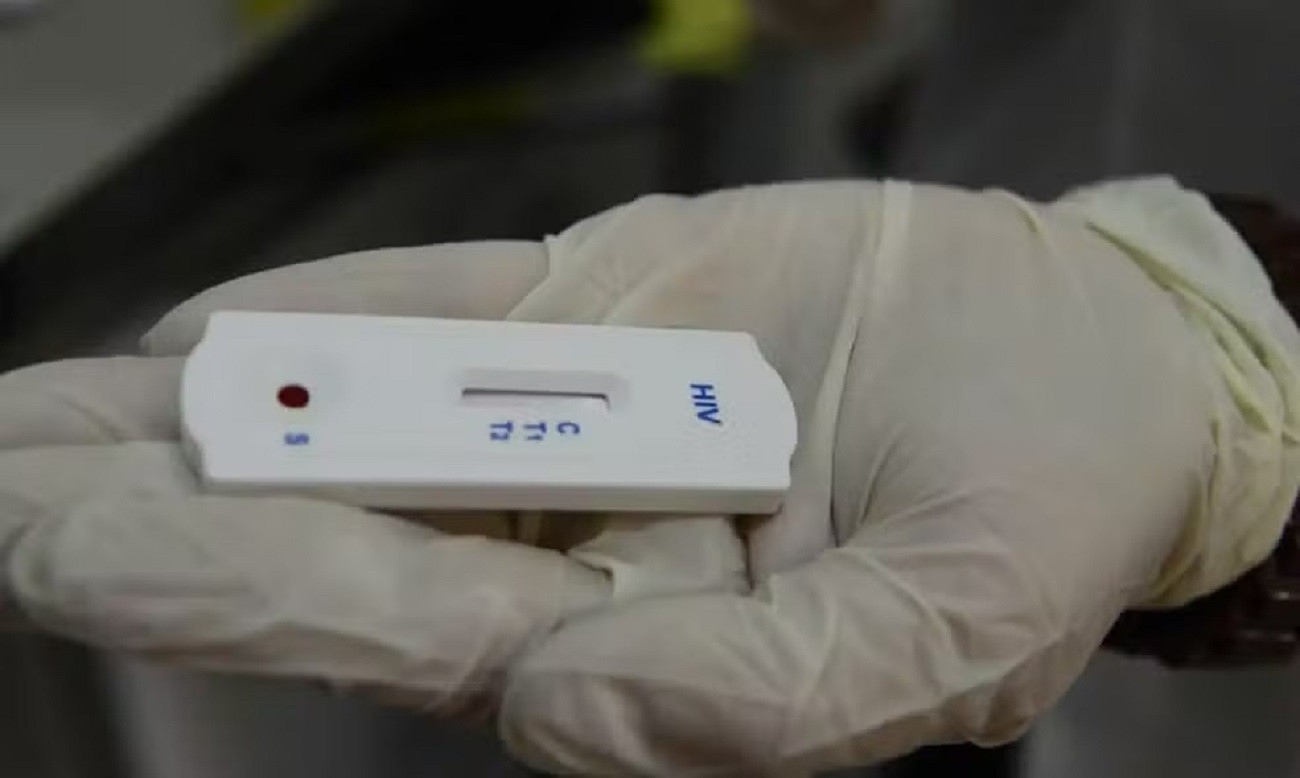
The Public Prosecutor's Office of Tocantins (MPTO) has initiated an administrative process to investigate the alleged exposure of HIV/AIDS diagnoses of indigenous patients from Lagoa da Confusão and Formoso do Araguaia. According to the MPTO, sensitive health information was being shared in WhatsApp groups that included local residents, boatmen, pilots, and security guards. The disclosures reportedly involved the dissemination of medical travel schedules to Confresa, Mato Grosso, and requests for viral load tests. This practice is said to be exposing patients and causing significant embarrassment, prejudice, and social discrimination within their communities. The Ministry of Health, responsible for the Special Indigenous Health District of Tocantins (DSEI Tocantins), has not yet responded to requests for comment. The investigation, detailed in an official bulletin published on July 10, 2026, stems from information suggesting health professionals may have been involved in these leaks. The MPTO has formally requested that the DSEI Araguaia, which serves these municipalities from its base in São Félix do Araguaia, MT, provide specific details. These include identifying the responsible health professionals or collaborators, the technical justification for using collective communication for health travel and test guidance, implemented information security measures for medical confidentiality, and the existence of official channels for individual patient communication to prevent public exposure. DSEI Araguaia has been given 10 days to submit this information to the MPTO.
This investigation highlights a critical failure in patient data privacy within a healthcare system serving vulnerable indigenous populations. The use of informal communication channels like WhatsApp for sensitive medical information, such as HIV diagnoses and travel schedules, indicates a severe lapse in data security protocols and professional conduct. Such breaches not only violate patient confidentiality but also risk exacerbating social stigma and discrimination within close-knit communities. Moving forward, healthcare providers operating in remote or indigenous areas must implement robust, secure, and individualized communication systems. This includes comprehensive training on data protection laws and ethical standards, alongside the deployment of encrypted platforms for all patient-related information. The incident underscores the urgent need for enhanced digital infrastructure and governance frameworks within public health services to safeguard patient privacy in the digital age.
AI-generated to prompt reflection — not editorial opinion, not advice, not a statement of fact. How this works.