Investigation Underway After Pōhutukawa Trees Found Poisoned in New Zealand
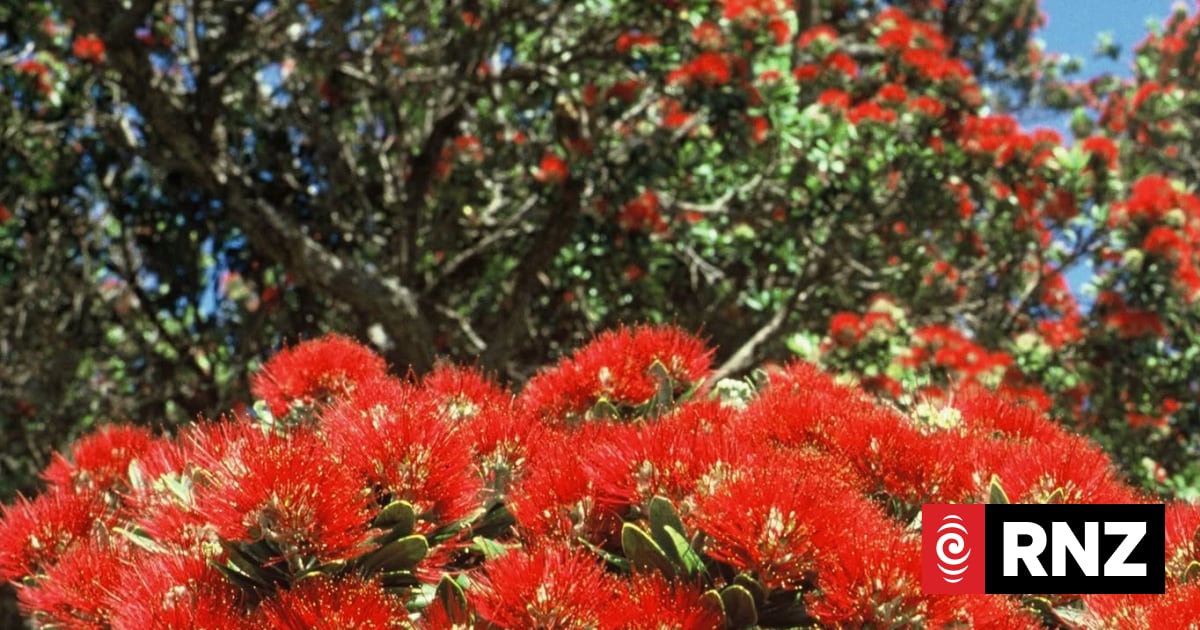
New Zealand's Department of Conservation (DOC) has launched an investigation following the discovery of pōhutukawa trees that have been deliberately poisoned. Evidence indicates that the trees were targeted using a 'drill and fill' method, with clear signs of such damage found around their bases. The DOC is treating this incident seriously, recognizing the cultural and ecological significance of the pōhutukawa, often referred to as New Zealand's Christmas tree. These native trees are iconic to the country's coastline and hold deep meaning for Māori. The department is appealing for information from the public to help identify those responsible for this act of vandalism. The investigation aims to determine the motive behind the poisoning and bring the perpetrators to justice. Further details regarding the exact location and number of affected trees have not yet been released as the investigation is ongoing.
The deliberate poisoning of native pōhutukawa trees represents an act of environmental vandalism that warrants a thorough investigation. From a systemic perspective, such incidents highlight the need for robust public education campaigns regarding the protection of natural heritage sites and the severe penalties associated with their destruction. The 'drill and fill' method suggests a premeditated act, pointing towards potential underlying grievances or a misguided attempt to remove the trees. Future strategies could involve enhanced surveillance in ecologically sensitive areas and community-led conservation initiatives to foster a collective sense of stewardship. Understanding the motivations behind such acts is crucial for developing effective preventative measures in an era where environmental consciousness is increasingly vital.
AI-generated to prompt reflection — not editorial opinion, not advice, not a statement of fact. How this works.