IOM Convenes Diplomatic Partners in Yaoundé to Address Northwest and Southwest Crises
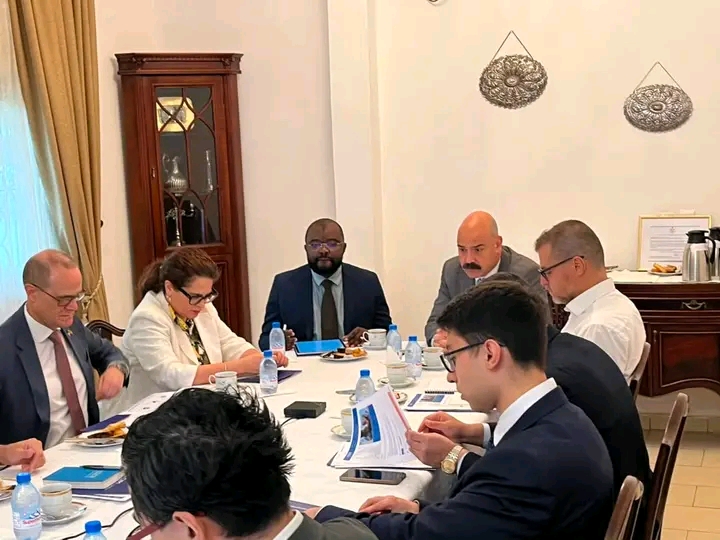
On June 24, 2026, the International Organization for Migration (IOM) met with diplomatic representatives in Yaoundé, Cameroon, to discuss the ongoing humanitarian challenges in the Northwest and Southwest regions. The meeting was initiated by the Turkish Ambassador to Cameroon and brought together several accredited heads of mission. The discussions focused on the persistent humanitarian needs and the support mechanisms for affected populations in these regions, which have experienced significant population displacement and community vulnerability for years.
The IOM, a United Nations agency focused on migration, presented its interventions and the substantial needs still present on the ground. The organization highlighted its expertise in population protection, community resilience building, socio-economic recovery, and an integrated approach to humanitarian aid, development, and peace. The meeting also emphasized the need for more flexible and complementary funding to bolster existing actions, including contributions from the Turkish Cooperation and Coordination Agency (TİKA) in Yaoundé. The overarching goals are to consolidate achievements, support stabilization in affected areas, promote the empowerment of women and youth, and strengthen social cohesion. Participants agreed that maintaining close dialogue between diplomatic partners and humanitarian actors is crucial for fostering sustainable solutions to population displacement and persistent socio-economic fragilities.
This high-level meeting underscores the complex, multi-faceted nature of protracted humanitarian crises, particularly those involving internal displacement and socio-economic fragility. The IOM's engagement with diplomatic partners highlights a strategic effort to bridge humanitarian aid with long-term development and peacebuilding initiatives, recognizing that sustainable solutions require coordinated financial and political support. The emphasis on flexible funding and integrated approaches suggests an evolving understanding of effective crisis response, moving beyond immediate relief to address root causes and foster community resilience. As the world grapples with increasing global instability and resource constraints, such collaborative frameworks are essential for ensuring that affected populations can achieve self-sufficiency and social cohesion, thereby mitigating future vulnerabilities and promoting lasting peace.
AI-generated to prompt reflection — not editorial opinion, not advice, not a statement of fact. How this works.