IOM: Gang Violence Forces 26 New Displacement Sites in Afghanistan
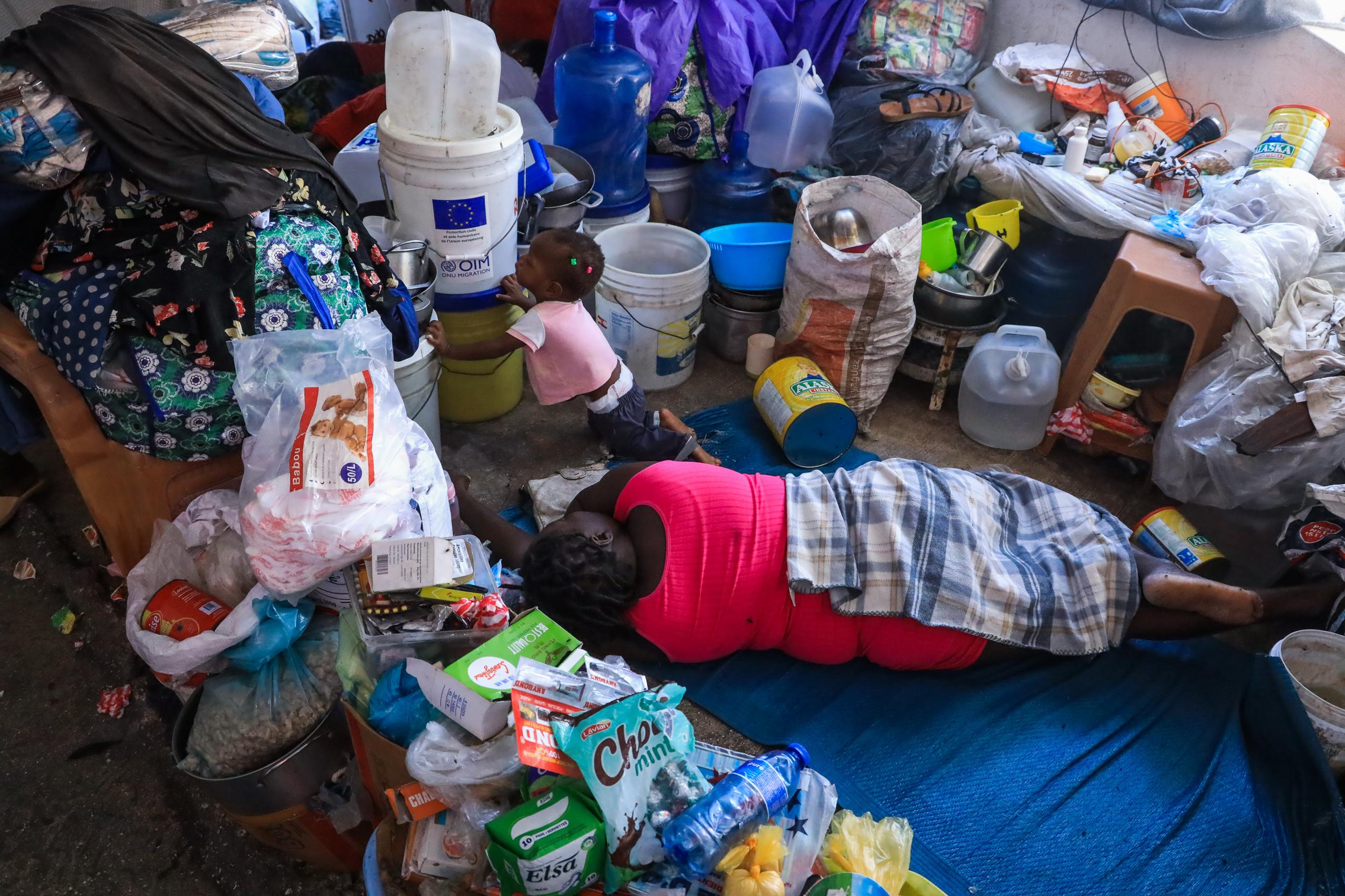
The International Organization for Migration (IOM) has reported the creation of 26 new sites for internally displaced persons (IDPs) in Afghanistan. These new sites are a direct consequence of escalating gang violence across the country. The IOM's findings highlight the severe impact of insecurity on civilian populations, forcing them to abandon their homes and seek refuge in new, often precarious, locations. The report underscores the growing humanitarian crisis fueled by armed groups and criminal elements. These displaced individuals face significant challenges, including lack of access to basic services, shelter, and food. The establishment of these new sites indicates a worsening trend of displacement, putting additional strain on humanitarian aid efforts. The IOM continues to monitor the situation and provide assistance where possible, but the scale of the problem requires broader intervention. The ongoing violence poses a significant threat to stability and development in Afghanistan.
The creation of 26 new internally displaced persons (IDP) sites, attributed to gang violence, signifies a critical breakdown in internal security and governance within Afghanistan. This trend suggests that non-state armed groups and criminal organizations are exerting significant territorial control, displacing populations and disrupting established communities. From a systemic perspective, this situation highlights the challenges of maintaining law and order and providing basic security guarantees to citizens. The long-term implications include increased humanitarian needs, potential for radicalization in displaced populations, and further erosion of state authority. Addressing this requires not only humanitarian aid but also a robust strategy to counter organized crime and enhance state capacity for security provision, considering the evolving geopolitical landscape and the potential for such instability to spill over regional borders.
AI-generated to prompt reflection — not editorial opinion, not advice, not a statement of fact. How this works.