Ion Explosion: Experts Suggest High Internal Pressure Caused Wall Destruction, Possible Blast Propagation
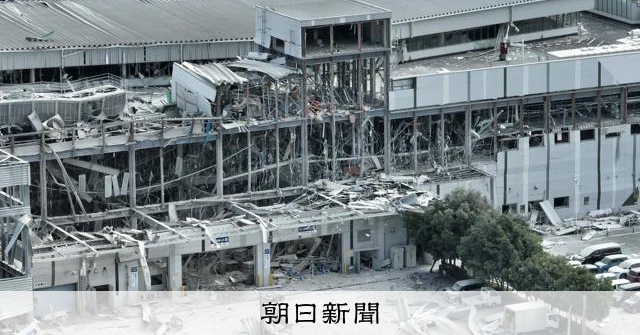
Experts are offering insights into an "ion explosion," suggesting that a significant buildup of internal pressure likely caused the destruction of a wall. This pressure surge is believed to have been the primary factor leading to the structural failure. There is also speculation that the resulting blast may have propagated, potentially affecting surrounding areas. The exact mechanisms and scale of the event are still under investigation, but the prevailing theory points to an uncontrolled pressure increase within the system. Further analysis is required to determine the full extent of the damage and the contributing factors. The incident highlights the critical importance of robust containment systems and pressure management in industrial or experimental settings involving high-energy phenomena. Understanding the dynamics of such explosions is crucial for preventing future occurrences and ensuring safety protocols are adequately enforced.
This event underscores the critical need for advanced pressure monitoring and containment systems, particularly in environments where energetic reactions like ion explosions can occur. The potential for blast propagation suggests a systemic vulnerability, where a localized failure can cascade. Future safety protocols should integrate real-time predictive analytics to anticipate pressure anomalies and trigger automated shutdowns or mitigation measures. Examining the design and operational parameters of the containment structure and the energy generation process will be key to preventing similar incidents. The long-term implications involve refining industrial safety standards and investing in research for more resilient energy containment technologies.
AI-generated to prompt reflection — not editorial opinion, not advice, not a statement of fact. How this works.