iOS 27: Apple's Advances and Persistent Lagging Features Compared to Android
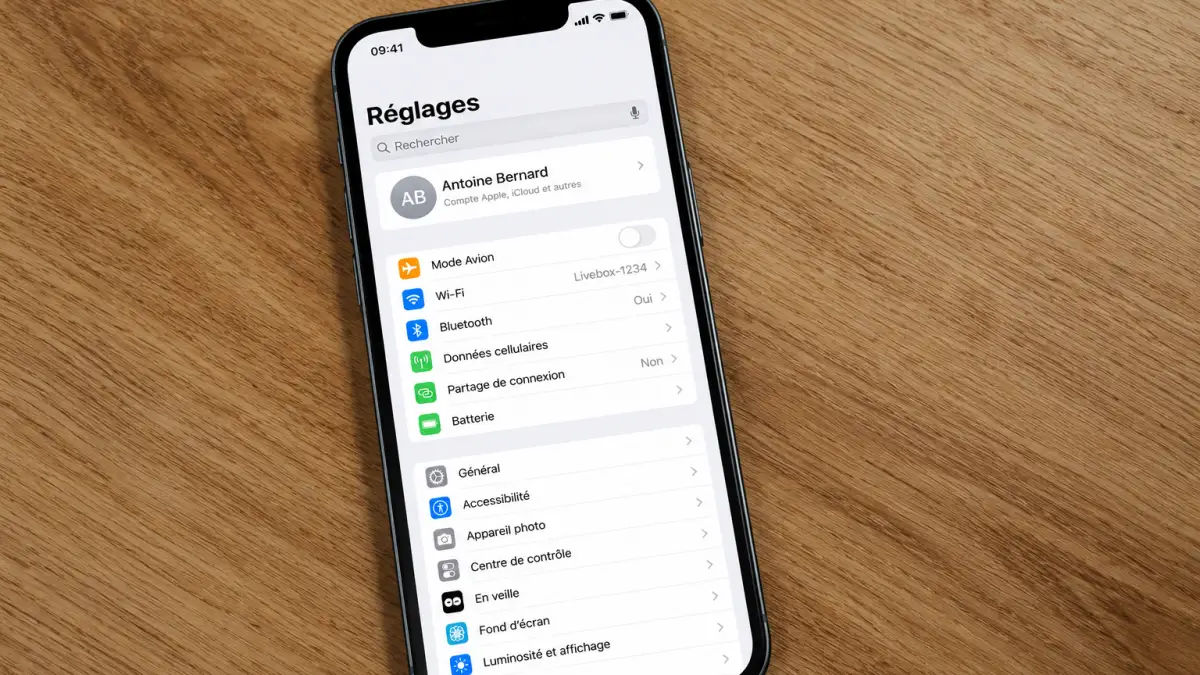
Apple unveiled iOS 27 on June 8, 2026, during the WWDC 2026 opening keynote in Cupertino. The latest iteration of Apple's iPhone operating system is slated for release in September, coinciding with the launch of the iPhone 18, according to reports from MacRumors. The new iOS version addresses five areas where it previously lagged behind Android, demonstrating a concerted effort to close feature gaps. However, the system still faces persistent challenges in five other categories, indicating ongoing development needs. Specific details on the advancements and the areas of continued delay were not fully elaborated in the provided text. The WWDC event serves as a crucial platform for Apple to showcase its software innovations and set the stage for future hardware releases. The comparison with Android highlights the competitive landscape of mobile operating systems, where feature parity and innovation are key differentiators. Users anticipate these updates to enhance device functionality and user experience.
The introduction of iOS 27 signifies Apple's ongoing strategy to refine its mobile ecosystem and maintain competitive parity with Android. While Apple has demonstrably closed gaps in five key areas, the persistence of delays in other categories suggests potential internal development constraints or strategic prioritization. This dynamic reflects the complex trade-offs inherent in platform development, balancing rapid innovation with stability and user experience. The company's ability to address these remaining five areas will be critical in the coming years, especially as AI integration becomes a more dominant factor in user expectations and device capabilities. Future success will likely hinge on Apple's capacity to not only match but also innovate beyond Android, leveraging its hardware-software integration to create distinct advantages in an increasingly competitive market.
AI-generated to prompt reflection — not editorial opinion, not advice, not a statement of fact. How this works.