Iowa Family Farms: A Look at Their Historical Role in Building America
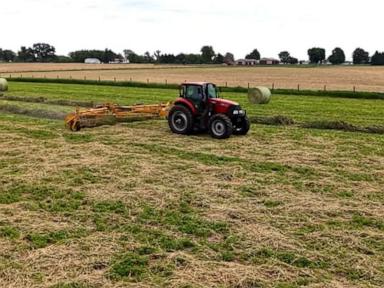
Sara Haines recently traveled to her home state of Iowa to explore the significant historical impact of small, family-run farms. The segment aimed to highlight how these agricultural operations have been instrumental in shaping the nation's development and identity. Haines' visit focused on understanding the legacy and contributions of these farms, which have been a cornerstone of American rural life for generations. The exploration delved into the deep roots and enduring influence of family farming on the country's agricultural landscape and broader economic structure. The initiative sought to provide viewers with a comprehensive perspective on the foundational role these farms have played throughout American history. By returning to her roots, Haines offered a personal and insightful examination of this vital aspect of the nation's heritage. The report underscored the enduring importance of family farms in the context of American history and culture. This exploration served to illuminate the often-unseen contributions of these agricultural entities.
This segment highlights the historical significance of family-run farms in the United States, particularly in Iowa. It frames these farms as foundational to the nation's development. The analysis should consider how evolving agricultural economics, policy shifts, and technological advancements have impacted the viability and structure of family farms over time. Understanding these dynamics is crucial for assessing their continued role in food security, rural economies, and the broader American narrative in the coming decades. The narrative invites reflection on the systemic factors influencing agricultural sustainability and the preservation of traditional farming practices amidst market pressures and consolidation trends.
AI-generated to prompt reflection — not editorial opinion, not advice, not a statement of fact. How this works.