Ipatinga Deploys 24 New Traffic Radars to Enhance Road Safety
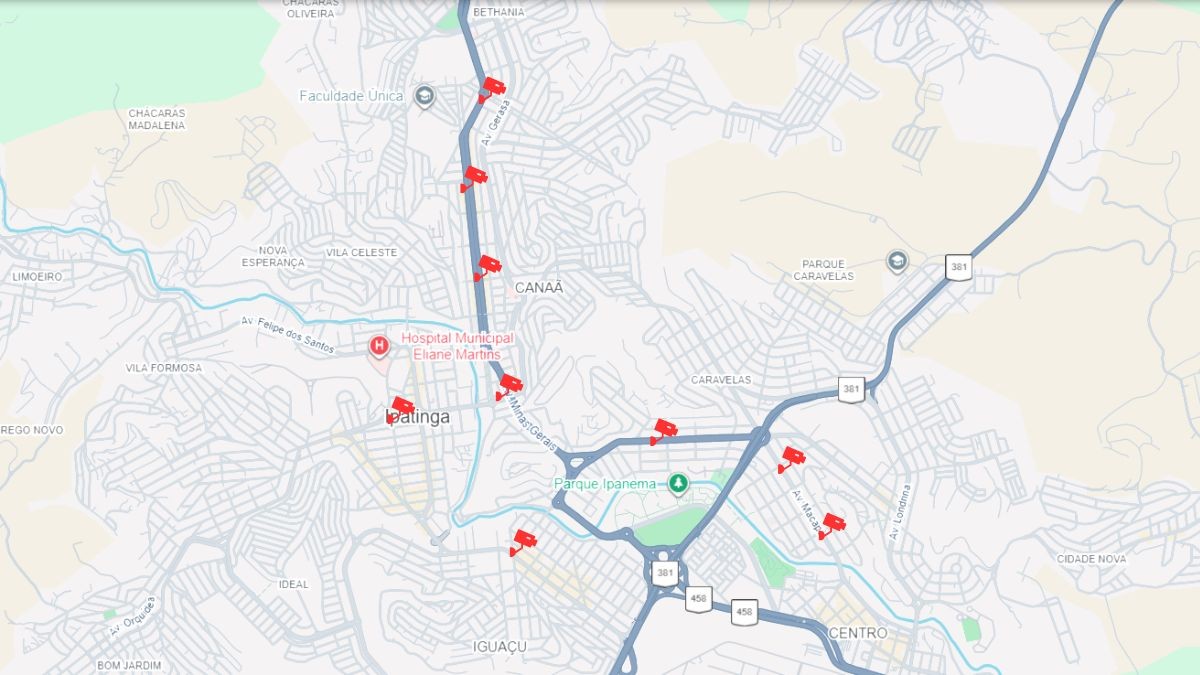
Ipatinga has activated 24 new traffic radar units across 23 locations, beginning Thursday, May 16th. These devices are designed to monitor and enforce regulations against speeding, running red lights, and stopping on pedestrian crossings. The municipal government stated that the primary objective is to reduce traffic accidents and improve overall road safety, particularly on busy streets with high volumes of vehicular and pedestrian traffic.
The speed limit of 50 km/h for these zones was determined through technical traffic engineering studies, adhering to the Brazilian Traffic Code (CTB) and National Transit Council (Contran) standards. This speed reduction is part of the city's Urban Mobility Plan, aimed at preserving lives. The administration also clarified that there are no immediate plans to install countdown timers on traffic signals, as signal timing is managed based on technical criteria and traffic regulations.
The new radar equipment is situated in the Veneza, Jardim Panorama, Canaã, Bethânia, Iguaçu, and Cidade Nobre neighborhoods. Specific intersections and street pairings where the radars are located include Avenida Simon Bolívar with Rua Graciliano Ramos, Avenida Selim José de Sales with Avenida José Cândido de Meire, and Avenida Minas Gerais with Avenida Selim José de Sales, among others. The city aims to leverage these technological tools to foster a safer traffic environment for all residents.
The implementation of new traffic monitoring systems in Ipatinga reflects a common urban strategy to mitigate accident rates and improve traffic flow through technological enforcement. By establishing clear speed limits and monitoring critical infractions, the municipality aims to create a more predictable and safer road environment. This initiative aligns with broader trends in smart city development, where data-driven approaches are increasingly used to manage public infrastructure and enhance citizen well-being. The city's emphasis on technical studies and adherence to national regulations suggests a structured approach to traffic management, aiming for long-term improvements in road safety and mobility. Future considerations might include analyzing the long-term impact of these radars on accident statistics and driver behavior, and potentially integrating this data with other urban planning initiatives to create a more holistic approach to city living.
AI-generated to prompt reflection — not editorial opinion, not advice, not a statement of fact. How this works.