Iran After Khamenei: The Regime's Resilience and Opposition's Status
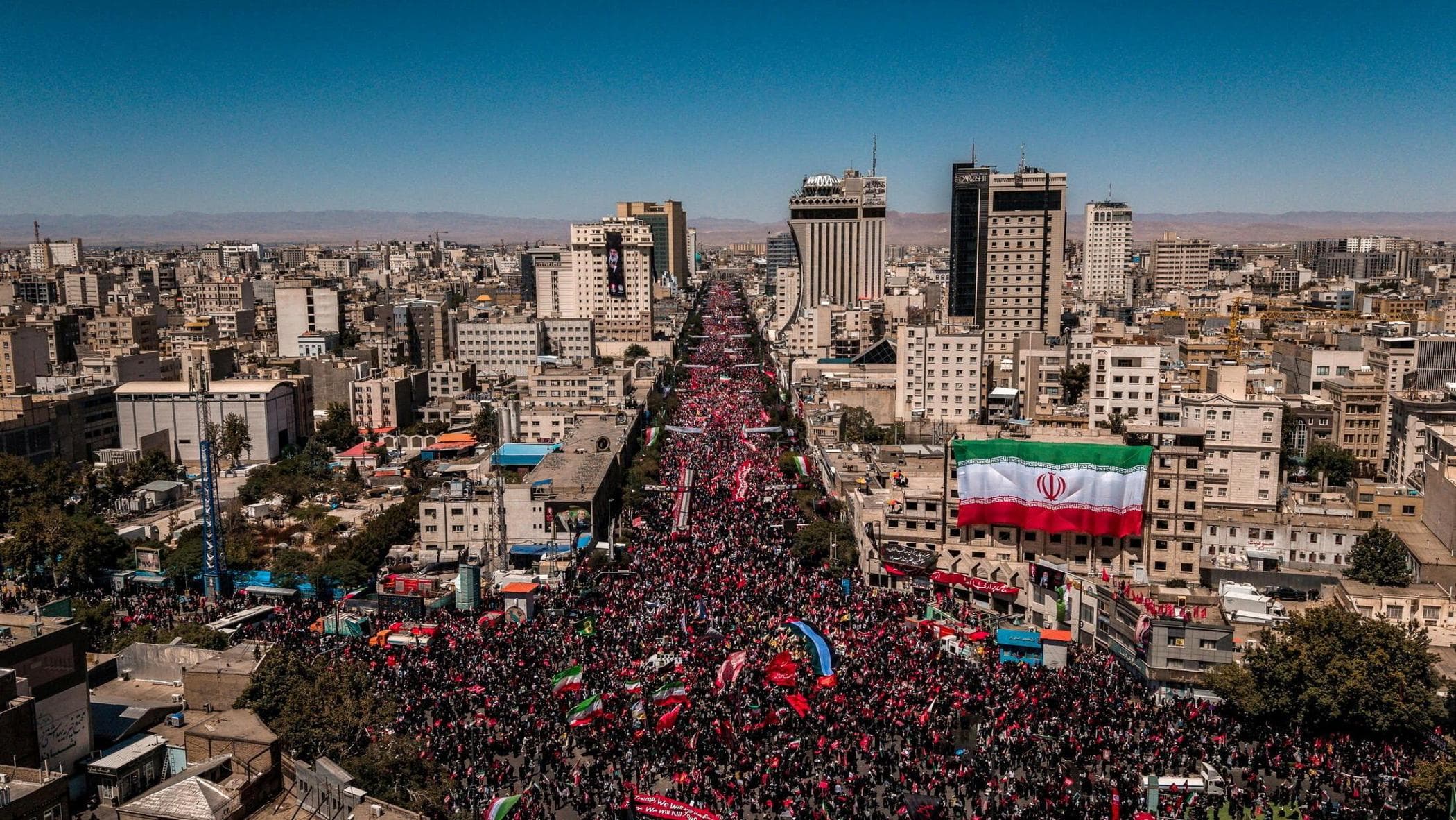
Following the January uprisings and subsequent violent crackdowns, the large crowds attending the funeral of the former Supreme Leader, Ayatollah Ruhollah Khomeini, suggest a nation where the collapse of the current regime appears increasingly distant. The event highlights the regime's capacity to mobilize support and maintain control, even in the face of significant internal dissent. The funeral procession, a major public display, underscores the enduring influence of the clerical establishment and its ability to project an image of national unity. This demonstration of state power and public participation, despite underlying societal tensions, indicates that the immediate prospects for regime change may be limited. The situation also raises questions about the current state and future trajectory of Iran's opposition movements, which have faced severe repression. Their ability to coalesce and present a viable alternative to the current leadership remains a critical factor in the country's long-term political landscape. The events surrounding Khamenei's passing and funeral will likely shape the dynamics between the state and its various opposition factions for the foreseeable future.
The large public turnout for the funeral of Iran's former Supreme Leader, following periods of unrest and repression, suggests a complex interplay of state control, societal dynamics, and the perceived efficacy of opposition movements. The regime's ability to orchestrate such a significant public event, even amidst underlying discontent, points to the enduring structures of power and influence within the Islamic Republic. This resilience, however, does not negate the persistent challenges and aspirations for change within Iranian society. The future political landscape will likely depend on the evolving capacity of both the state to manage internal dissent and the opposition to articulate a compelling vision and strategy for reform or transition. The coming decade will test the sustainability of the current governance model against demographic shifts, economic pressures, and the ongoing global technological and ideological currents.
AI-generated to prompt reflection — not editorial opinion, not advice, not a statement of fact. How this works.