Iran and Oman Discuss Payment Model for Strait of Hormuz Transit
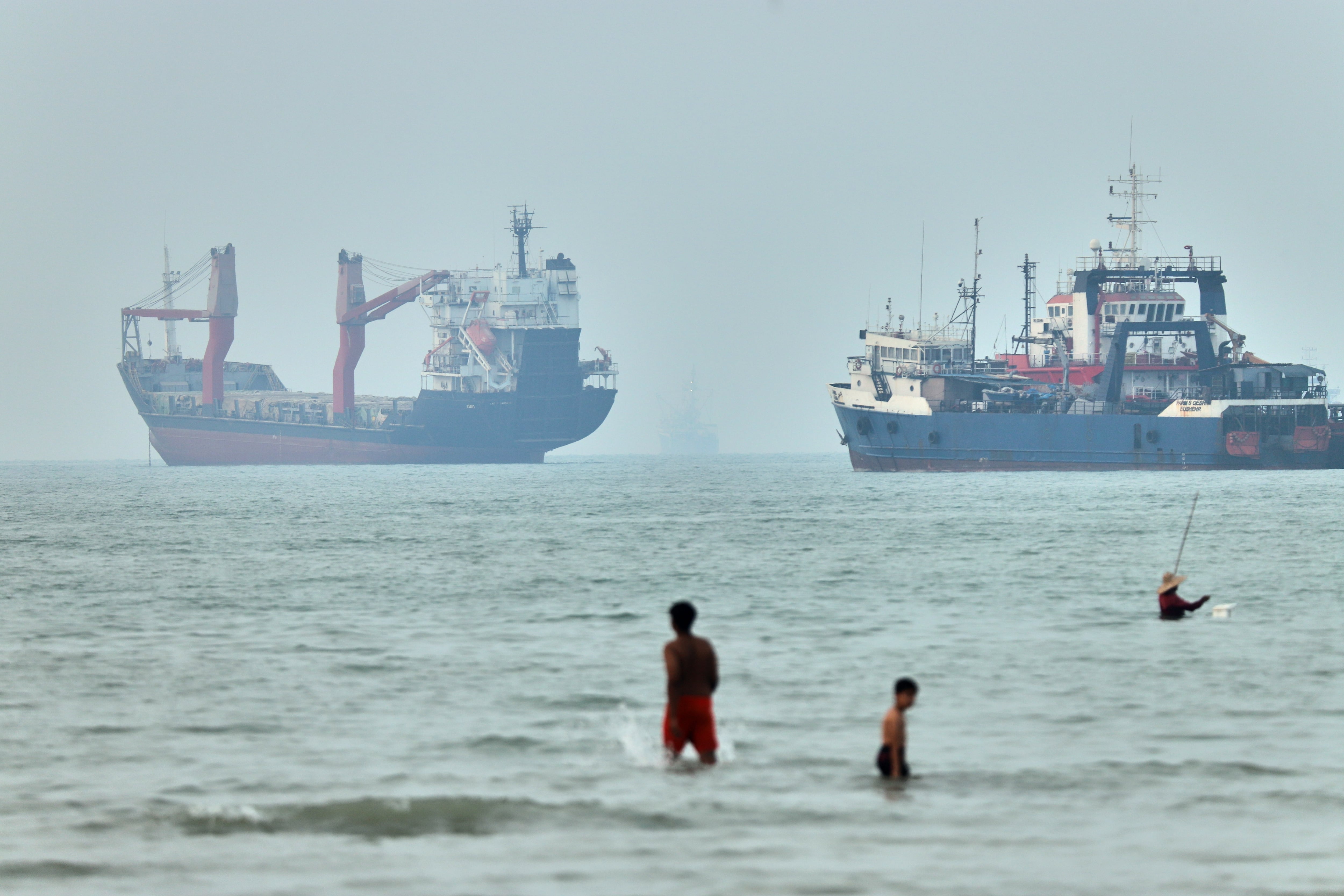
Iran and Oman are currently in negotiations to establish a payment model for vessels transiting the Strait of Hormuz. The White House has expressed its opposition to the imposition of any fees on ships passing through this critical waterway. Instead, the US is advocating for the lifting of sanctions on Iranian oil as a potential alternative. However, Tehran remains insistent on its right to collect these payments. The Strait of Hormuz is a vital chokepoint for global oil transportation, making any transit fees or related agreements a matter of significant international interest. The outcome of these discussions could impact regional stability and global energy markets. Further details on the proposed payment structure have not yet been disclosed.
The proposed payment model for the Strait of Hormuz transit highlights competing geopolitical interests and economic strategies. Iran's insistence on collecting fees suggests an effort to assert sovereignty and generate revenue, potentially as leverage in international negotiations. The US counter-proposal, focused on sanction relief, indicates a preference for market-based solutions and a desire to reintegrate Iran into the global oil market. This dynamic reflects broader tensions between state control and free trade principles in critical international passages. The long-term implications will depend on whether a mutually agreeable framework can be found that balances security concerns, economic viability, and international maritime law, especially as global energy dynamics evolve.
AI-generated to prompt reflection — not editorial opinion, not advice, not a statement of fact. How this works.