Iran and Oman Nearing Deal on New Strait of Hormuz Shipping Route
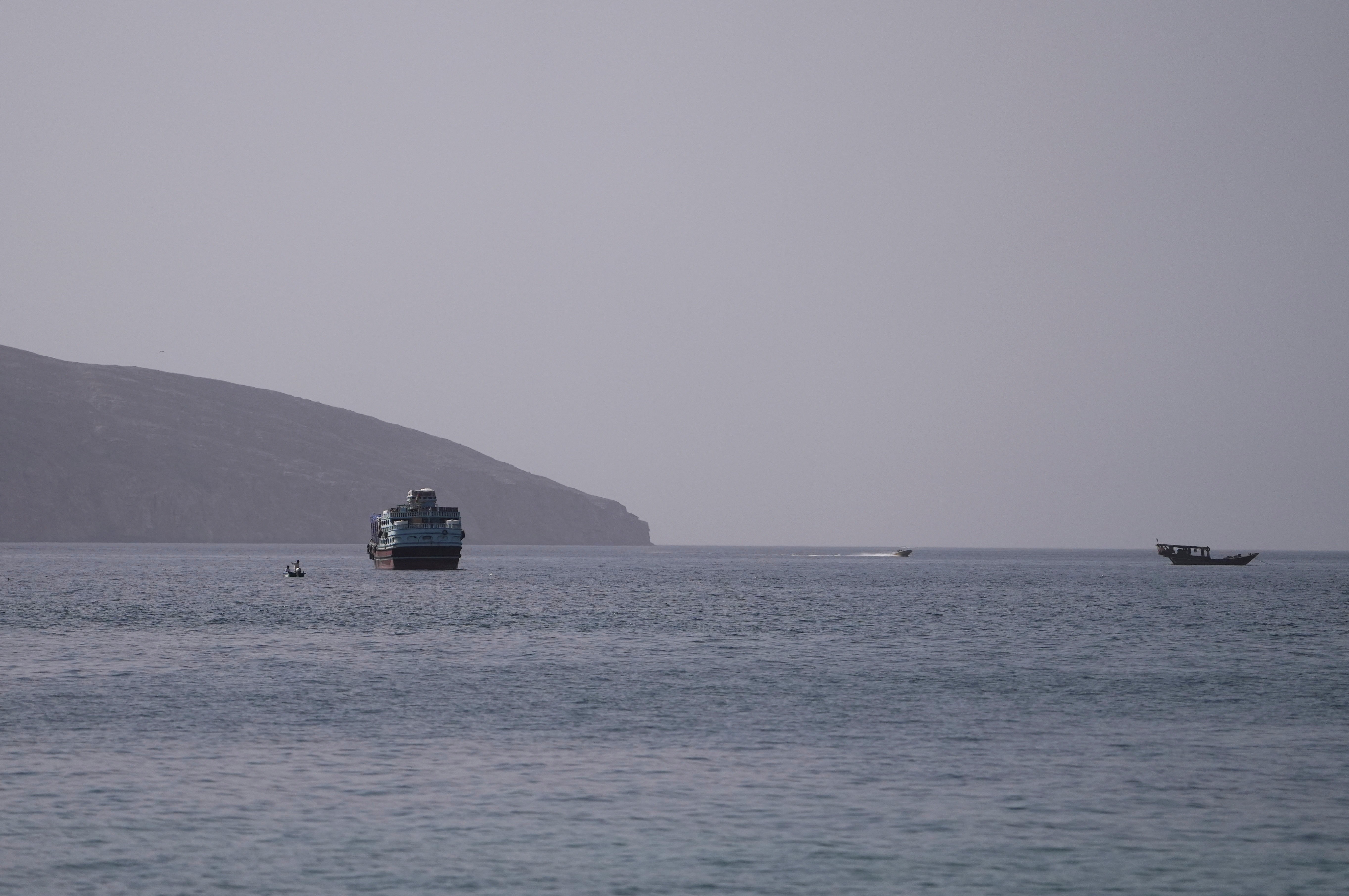
Iran's government announced on Sunday, June 2nd, that it is close to finalizing an agreement with Oman regarding a new commercial shipping transit route through the Strait of Hormuz. This strait is identified as a critical chokepoint amidst ongoing Middle East tensions. The Iranian Ministry of Foreign Affairs spokesperson, Esmaïl Baghaei, stated in a televised interview that both nations are nearing an acceptable route for all parties, which would respect sovereign rights and national security interests without specifying north or south routes. Baghaei clarified that any finalized treaty would not signify the closure or reopening of the Strait of Hormuz itself. This development follows U.S. President Donald Trump's announcement that he had called off retaliatory strikes against Iran, which he had previously planned for the weekend. Trump had linked this decision to a potential breakthrough in negotiations for a new agreement to end the five-month-long Middle East war. However, Tehran denied requesting the cancellation of attacks, asserting that its current negotiations are solely with Oman concerning the Strait of Hormuz.
The announcement of a potential shipping route agreement between Iran and Oman in the Strait of Hormuz, framed by Iran as a sovereign matter, occurs against the backdrop of escalating regional tensions and U.S. military posturing. The Iranian statement, while emphasizing national security and sovereign rights, could be interpreted as an attempt to assert control and influence over a vital global trade artery. The timing, coinciding with the U.S. decision to halt strikes, suggests a complex interplay of diplomatic signaling and de-escalation tactics. The long-term implications for global maritime security and energy markets will depend on the transparency and enforceability of this bilateral agreement, and how it aligns with international maritime law and the interests of other regional and global powers. This situation highlights the ongoing challenge of balancing national interests with the imperative of maintaining free and secure passage through critical international waterways.
AI-generated to prompt reflection — not editorial opinion, not advice, not a statement of fact. How this works.