Iran and Ukraine Clash Over Caspian Sea Amidst Russia-Ukraine War
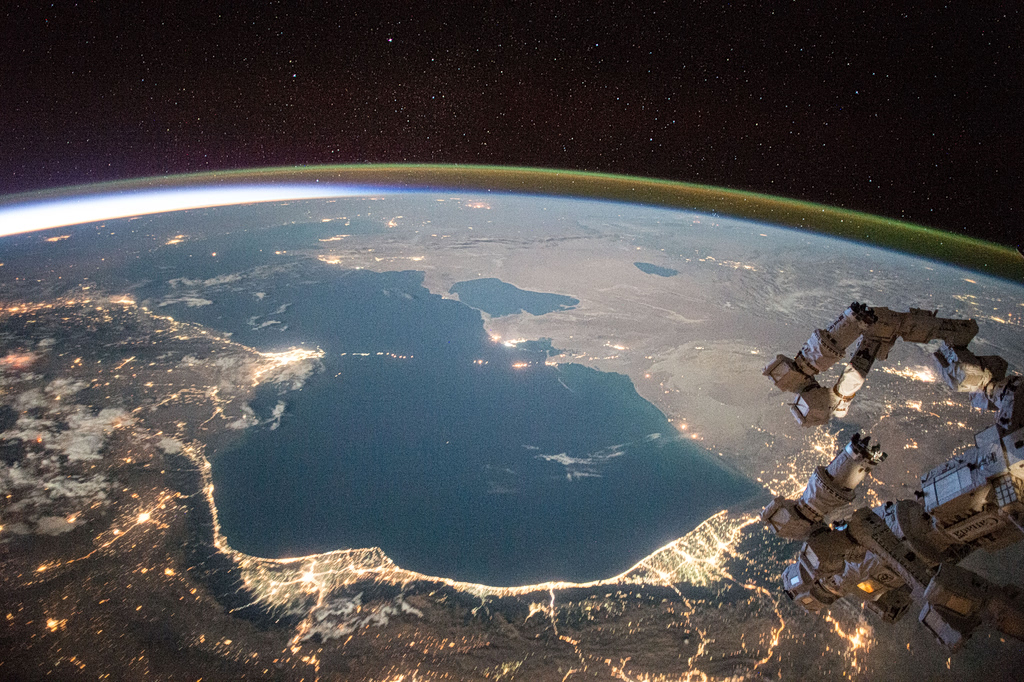
The Caspian Sea, the world's largest inland body of water, is becoming a new arena of tension in the ongoing Russia-Ukraine war. This escalation is driven by the growing strategic importance of Moscow's cooperation with Tehran in the region. The Caspian Sea's significance is multifaceted, encompassing energy resources and geopolitical positioning. As Russia deepens its ties with Iran, particularly in the context of sanctions and military cooperation, the Caspian becomes a crucial transit and operational zone. Ukraine, seeking to counter Russian influence and disrupt its logistical capabilities, may perceive actions within or concerning the Caspian as opportunities to exert pressure. The involvement of Iran, a key regional player with its own strategic interests, adds another layer of complexity to the dynamics. The potential for conflict or heightened tensions in this vital waterway underscores the expanding geographical scope of the Russia-Ukraine conflict. The strategic interests at stake include access to energy reserves, trade routes, and military projection capabilities for the involved nations. The situation highlights how the broader geopolitical landscape is being reshaped by the conflict, drawing in more actors and territories.
The Caspian Sea's emergence as a point of contention between Iran and Ukraine, within the broader Russia-Ukraine war, reflects the interconnectedness of global geopolitical theaters. Russia's strategic alignment with Iran, potentially bolstered by shared challenges to Western influence, positions the Caspian as a zone of mutual interest and logistical support. From Ukraine's perspective, any disruption or challenge to Russian operations, including those potentially utilizing Caspian routes, could serve its strategic objectives. This situation illustrates how regional conflicts can metastasize, drawing in additional states and impacting critical global resources like energy and trade. The long-term implications involve the potential for increased militarization of the Caspian and a redefinition of regional security architectures. Examining the incentive structures for each actor—Russia's need for alliances and resources, Iran's regional ambitions and sanctions circumvention, and Ukraine's imperative to degrade adversary capabilities—provides insight into the escalating tensions.
AI-generated to prompt reflection — not editorial opinion, not advice, not a statement of fact. How this works.