Iran and US Escalate Gulf Conflict with Reciprocal Strikes, Disrupting Global Shipping
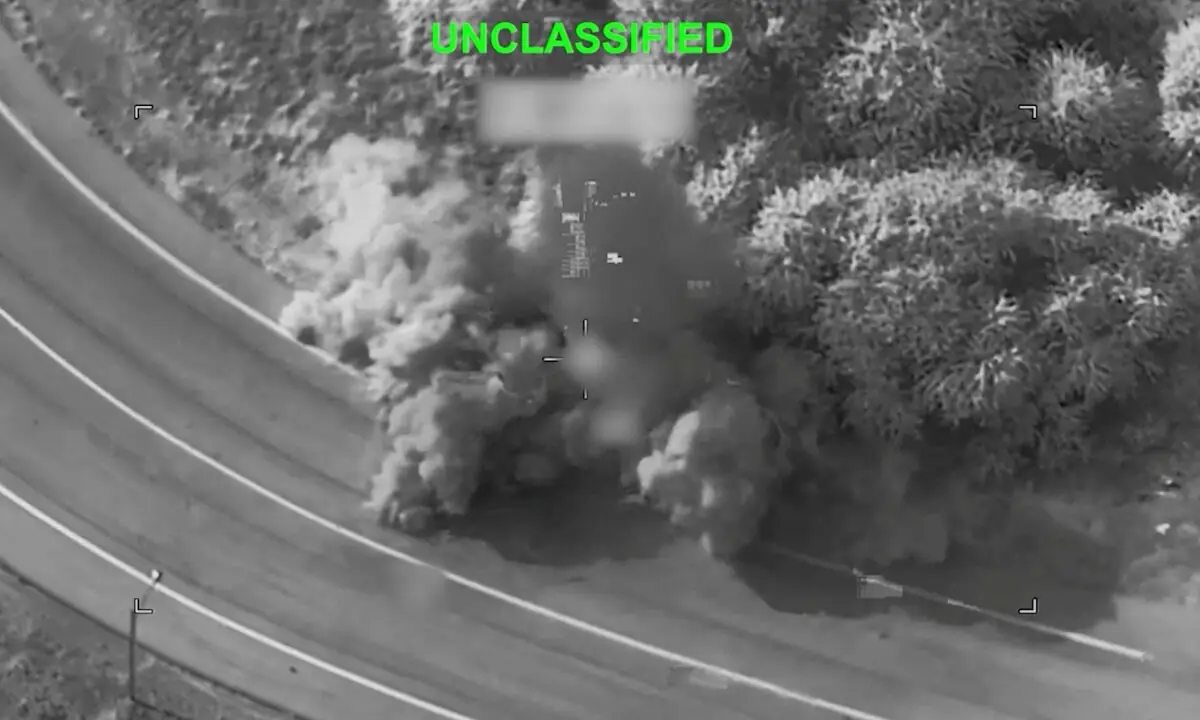
Iran announced new attacks on US facilities in the Gulf on Friday, following six consecutive nights of US strikes on Iranian military targets. This escalation marks a breakdown of a recent truce, leading to daily exchanges of fire. The US military stated its strikes, involving fighter jets, drones, and warships, aimed to degrade Iranian capabilities, hitting targets like coastal surveillance sites and maritime infrastructure on Qeshm Island and near Bandar Abbas. Iran claims to have attacked US facilities in Bahrain and Kuwait, with reports of explosions in Doha, Qatar, and an injured child. Iranian media indicated that US strikes damaged five bridges, a train station, and an airport, resulting in seven fatalities in Bandar Khamir. The conflict has significantly disrupted shipping through the Strait of Hormuz, a critical global energy route, leading to increased oil and gas prices. Both Iran and the US have imposed blockades on shipping lanes. Iran has also threatened to influence Houthi actions in Yemen to close the Bab al-Mandeb strait if its infrastructure is attacked. The White House condemned Iran's actions as terrorism but also expressed openness to diplomacy. Iran seeks to control passage through the Strait of Hormuz, proposing a 60-day negotiation period for passage fees, while the US has encouraged alternative routes and conducted strikes to impede Iran's control. US President Trump has not ruled out ground operations or further strikes on Iranian infrastructure if negotiations do not resume.
The escalating tit-for-tat strikes between Iran and the US in the Persian Gulf and Strait of Hormuz represent a dangerous dynamic where strategic infrastructure becomes a primary target. This approach risks significant collateral damage to global commerce, particularly energy markets, and increases the potential for miscalculation. The stated objectives of degrading military capabilities and asserting control over vital shipping lanes are being pursued through methods that inherently destabilize regional and international security. As the conflict intensifies, the underlying economic and geopolitical incentives driving both nations' actions warrant close examination, particularly concerning the long-term implications for global trade routes and the potential for wider regional involvement. The reliance on military responses, while seemingly a direct solution to perceived threats, may inadvertently create a feedback loop of escalation, making diplomatic resolution increasingly challenging in the coming decade.
AI-generated to prompt reflection — not editorial opinion, not advice, not a statement of fact. How this works.