Iran and US Escalate Tensions, Competing for Control of the Strait of Hormuz
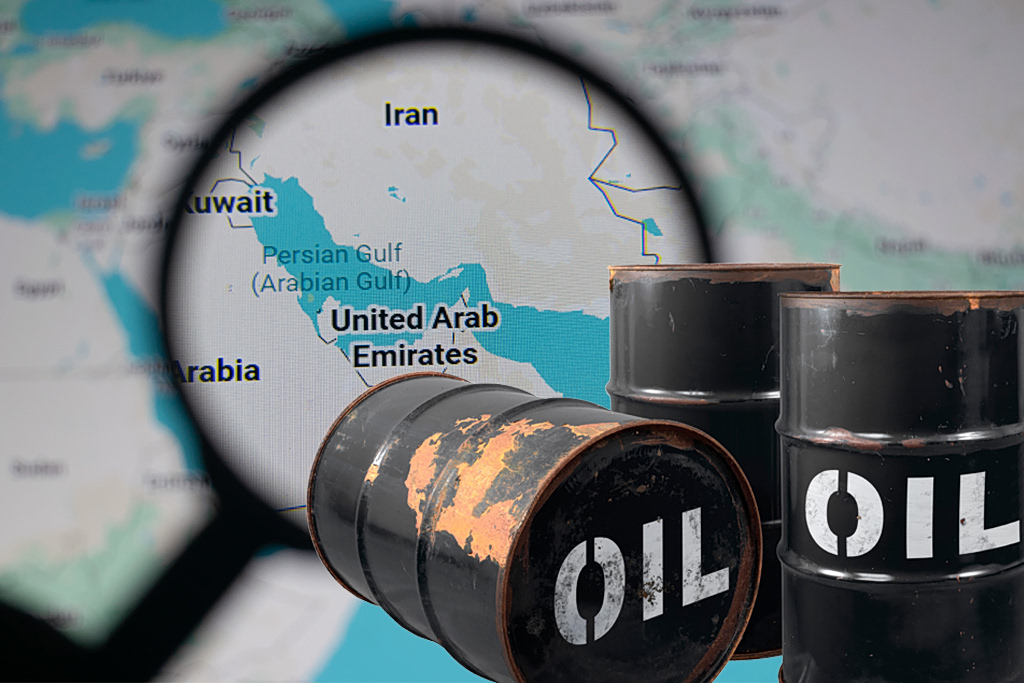
Tensions are escalating between Iran and the United States, with a particular focus on control over the strategic Strait of Hormuz. This heightened geopolitical friction is occurring as temperatures in the region rise to dangerous levels. Correspondingly, oil prices are also on an upward trajectory, reflecting the increased risk and uncertainty in the global energy market. The Strait of Hormuz is a critical chokepoint for global oil transportation, making any instability in the area highly consequential for international energy supplies and prices. Both nations appear to be increasing their military posturing and rhetoric, contributing to a volatile situation. The implications of this standoff extend beyond the immediate region, potentially impacting global economic stability. The rising oil prices are a direct consequence of the perceived threat to supply routes. This situation demands careful monitoring due to its potential for wider conflict and economic disruption.
The escalating confrontation between Iran and the United States over the Strait of Hormuz highlights the enduring strategic importance of this vital maritime chokepoint. This dynamic is influenced by global energy market dependencies and regional power balances. The interplay between geopolitical tensions and oil price volatility underscores systemic vulnerabilities in the global energy supply chain. Future developments will likely be shaped by the actors' strategic calculations regarding deterrence, economic sanctions, and the potential for miscalculation, all within the context of evolving international relations and the increasing global demand for energy resources.
AI-generated to prompt reflection — not editorial opinion, not advice, not a statement of fact. How this works.