Iran and US Exchange Blows: Hangars, Ships, Bridges, and Tunnels Targeted
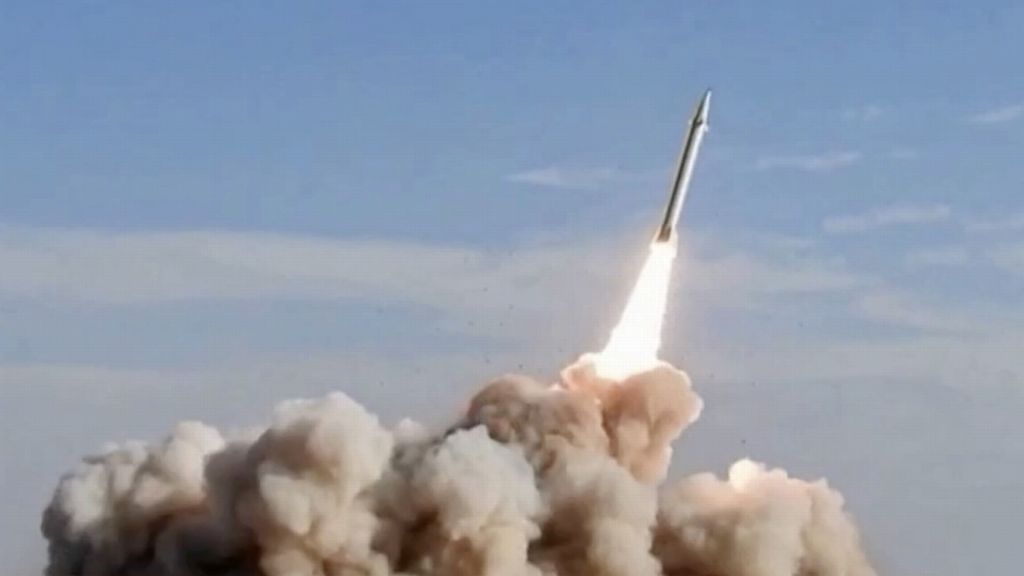
A two-week aerial conflict between Iran and the United States in the Middle East has involved daily rocket and drone attacks, with Iran appearing to possess a clearer strategy than the U.S., according to former Air Force commander Patrick Bolder. Jordan has frequently been targeted by Iranian strikes, as the kingdom hosts U.S. military personnel and equipment. An airbase in northern Jordan was hit twice in 48 hours, resulting in the destruction of at least one hangar and damage to another, with two U.S. soldiers confirmed killed and potentially a third missing. The Pentagon reportedly withheld this information for strategic reasons. The U.S. has seemingly relocated military assets from the Gulf to Jordan, while Iran is employing fast, maneuverable missiles to bypass air defenses, potentially with assistance from Russia or China, according to The Wall Street Journal. In Kuwait, a fire occurred at the Al-Ahmadi port, with the Iranian Revolutionary Guard (IRG) claiming the U.S. Navy used the pier, though this is unverified. Iran also reportedly struck a desalination plant in Kuwait. The recent escalation began on July 6 with Iranian attacks on commercial ships in the Strait of Hormuz, damaging at least twelve vessels and causing civilian casualties, according to UN figures. In response, the U.S. has conducted bombings on hundreds of sites in Iran, including coastal areas with IRG bases and inland missile launch sites. However, the U.S. has also hit civilian infrastructure, such as tunnels and bridges near Bandar Abbas, which, while tactically useful for troop movement, also impact the civilian population. Human rights organization Hrana reports at least twenty civilian deaths from U.S. attacks, alongside damage to fishing boats, railways, and food warehouses, and disruption of water supply due to a desalination plant strike. Iranian authorities claim a total of fifty deaths and over 500 injuries, without distinguishing between civilian and military casualties. Analysts suggest the U.S. attacks may aim to force Iran back to the negotiating table, while Iran seeks to make U.S. presence difficult in the region, with casualties in Iran of little concern to the regime.
The exchange of strikes between Iran and the U.S. highlights the complex geopolitical dynamics and asymmetric warfare strategies employed in the Middle East. While the U.S. actions appear aimed at degrading Iranian military capabilities and potentially compelling negotiations, the targeting of civilian infrastructure, even if justified by military necessity, raises significant humanitarian concerns and risks escalating regional instability. Iran's reported use of advanced missile technology and potential foreign support suggests a growing capacity to challenge U.S. military dominance, forcing a re-evaluation of deterrence strategies. The opacity surrounding casualty figures and the strategic withholding of information by both sides underscore the challenges in achieving objective situational awareness during conflicts. Looking ahead, the potential for miscalculation and further escalation remains high, particularly as both nations navigate domestic political pressures and regional alliances, demanding a careful balance between military objectives and de-escalation efforts to prevent wider conflict.
AI-generated to prompt reflection — not editorial opinion, not advice, not a statement of fact. How this works.