Iran Begins Mourning for Supreme Leader Ayatollah Ali Khamenei in Tehran
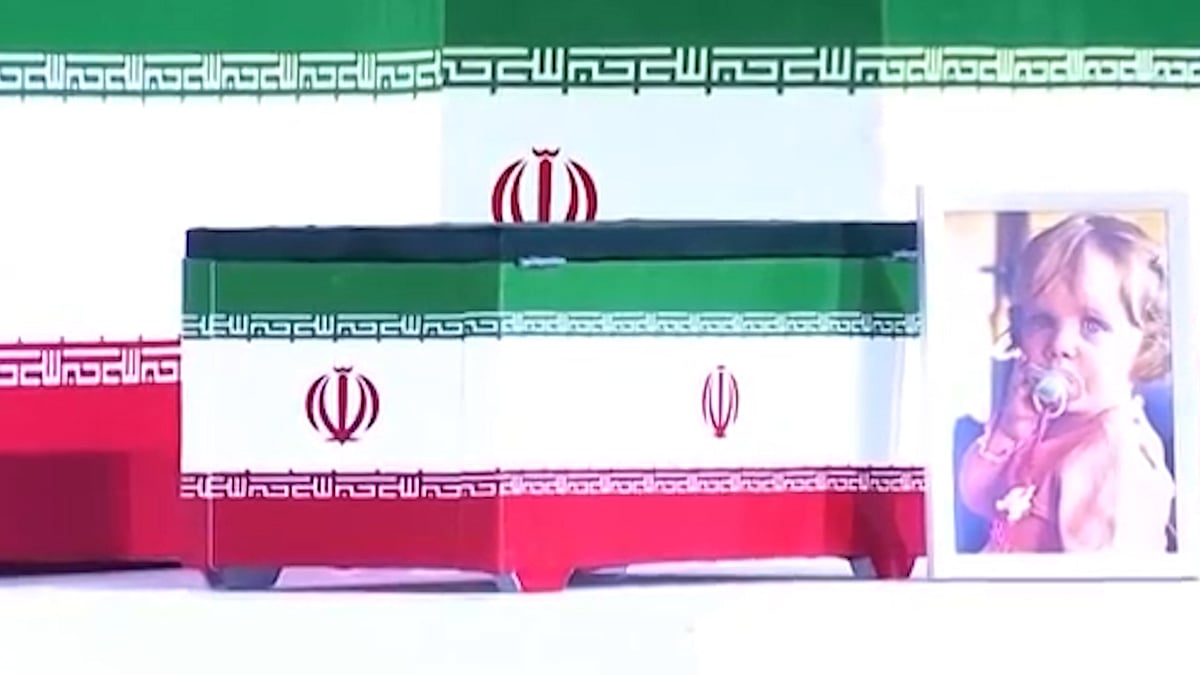
Mourning ceremonies have officially commenced in Tehran for the late Supreme Leader Ayatollah Ali Khamenei. Reports indicate that the funeral procession began with a somber procession. During the event, attendees were visibly moved to tears upon seeing a small coffin, believed to be that of Khamenei's granddaughter, which underscored the personal tragedy amidst the national grief. The official commencement of the mourning period signifies a period of national reflection and remembrance for the influential religious and political figure. Further details regarding the duration of the mourning period and specific memorial events are expected to be released by Iranian authorities. The passing of Ayatollah Khamenei marks a significant moment in Iran's political landscape, with his successor yet to be formally announced. The nation now enters a period of transition and uncertainty following the loss of its long-standing leader. The public's emotional response highlights the deep connection many felt with the Supreme Leader and his family.
The official commencement of mourning ceremonies in Tehran for Ayatollah Ali Khamenei marks a pivotal moment in Iran's leadership transition. The public's emotional response, particularly the reaction to the small coffin, highlights the interplay between personal and national grief, and the symbolic weight of leadership. As Iran navigates this period, the focus will shift to the selection of a successor, a process influenced by the country's complex political and religious structures. The coming weeks will reveal the stability of the current governance framework and the potential directions for Iran's future policies, both domestically and internationally, under new leadership. This event also presents an opportunity to examine the long-term impact of centralized religious and political authority on societal development and succession planning within such systems.
AI-generated to prompt reflection — not editorial opinion, not advice, not a statement of fact. How this works.