Iran Bets on Protracted Conflict Amid US Strikes
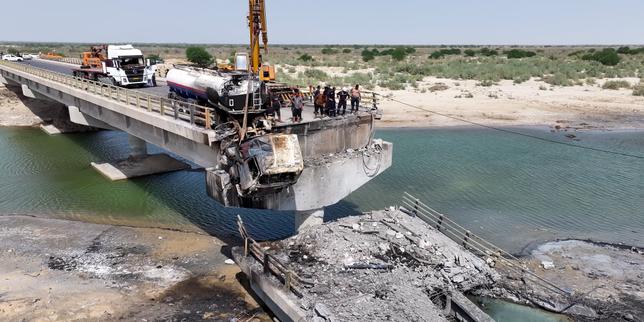
As American strikes continue in Iran, the Iranian leadership is currently avoiding a full-scale confrontation. Their strategy hinges on the threat of global energy disruption to compel Washington to alter its approach. This tactic aims to leverage international economic stability as a bargaining chip against direct military escalation. By highlighting the potential for widespread energy shortages, Iran seeks to impose a cost on the United States that outweighs the benefits of continued military action. The Iranian government's current stance suggests a preference for a prolonged period of tension rather than immediate, decisive engagement. This approach allows them to conserve resources while maintaining pressure on the US. The success of this strategy will likely depend on the global community's reaction to potential energy market instability and the sustained willingness of the US to absorb economic risks.
Iran's strategy of threatening global energy disruption in response to US strikes represents a calculated risk, leveraging economic interdependence to deter direct military confrontation. This approach highlights the complex interplay between geopolitical tensions and global energy markets, where localized conflicts can have far-reaching international economic consequences. The effectiveness of this tactic will be influenced by global energy demand, the resilience of alternative energy supplies, and the international community's tolerance for market volatility. Future geopolitical scenarios may see an increased reliance on such asymmetric strategies, where nations with significant resource leverage attempt to shape international policy through the threat of economic instability, rather than direct military power.
AI-generated to prompt reflection — not editorial opinion, not advice, not a statement of fact. How this works.