Iran Blocks Hormuz, Targets Ships; US Reverses Toll Threat
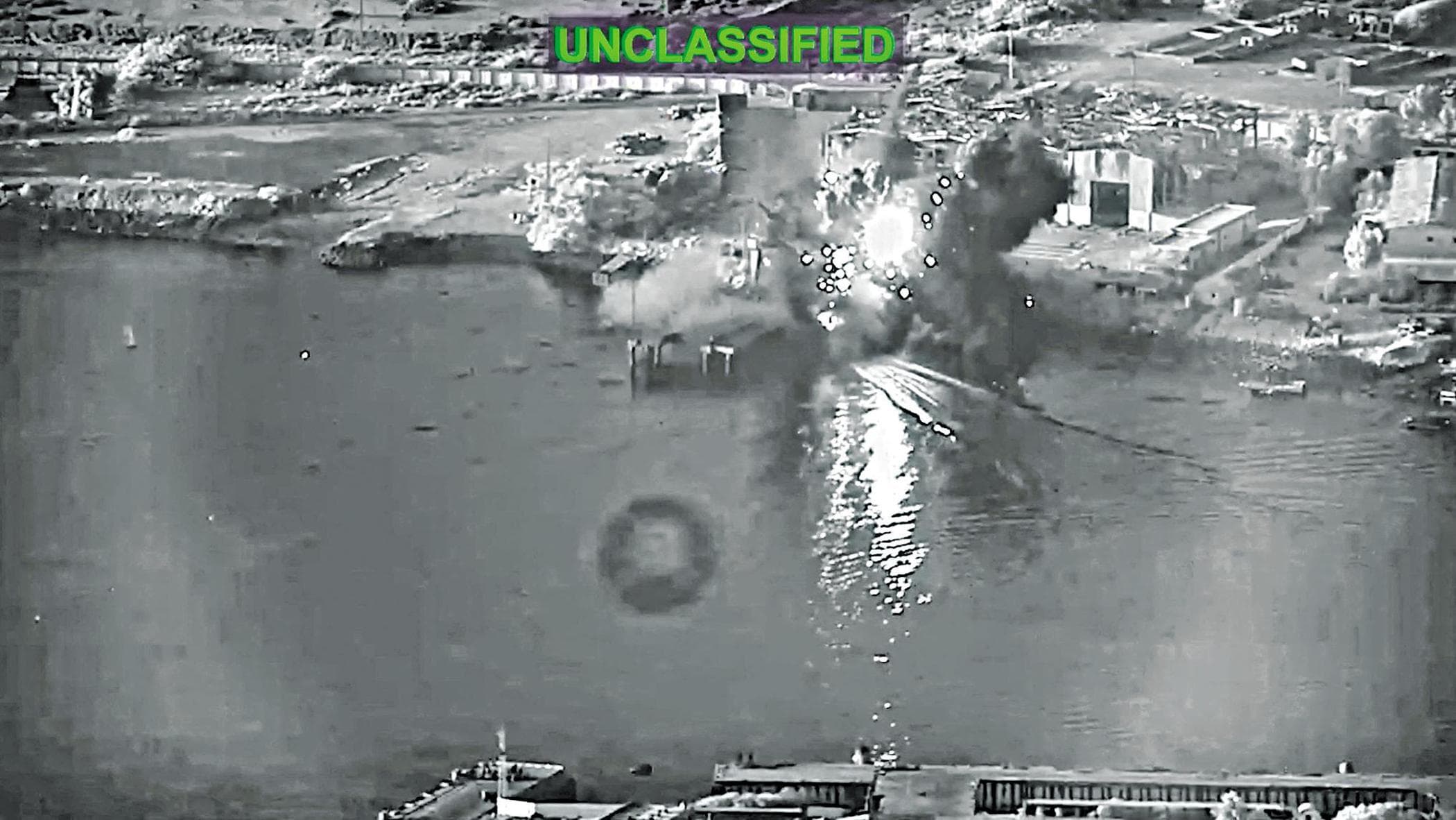
Tensions escalated in the Persian Gulf with a new day of confrontations. Iran's Revolutionary Guard Corps (IRGC) reportedly blocked the Strait of Hormuz, firing missiles at cargo ships and oil tankers. Simultaneously, the United States conducted bombings on coastal cities in the region. In response to these events, the White House revoked its threat to impose tolls on passage through the strait. The ongoing conflict and geopolitical instability have continued to drive up oil prices, which remain on the rise.
The events in the Strait of Hormuz highlight the complex interplay of geopolitical tensions and energy markets. The IRGC's actions, including missile strikes on commercial vessels, represent a significant escalation, potentially disrupting global shipping lanes and impacting oil supply. The US response, involving coastal bombings, further intensifies the conflict. The White House's reversal of its toll threat suggests a strategic recalibration, possibly aimed at de-escalating tensions or managing domestic economic impacts. This situation underscores the fragility of international trade routes and the significant influence of regional conflicts on global commodity prices, particularly oil. Future developments will likely depend on diplomatic efforts, the effectiveness of international sanctions, and the strategic calculations of the involved nations, with potential long-term implications for energy security and global economic stability.
AI-generated to prompt reflection — not editorial opinion, not advice, not a statement of fact. How this works.