Iran Buries Former Supreme Leader Khamenei Amid Succession Uncertainty
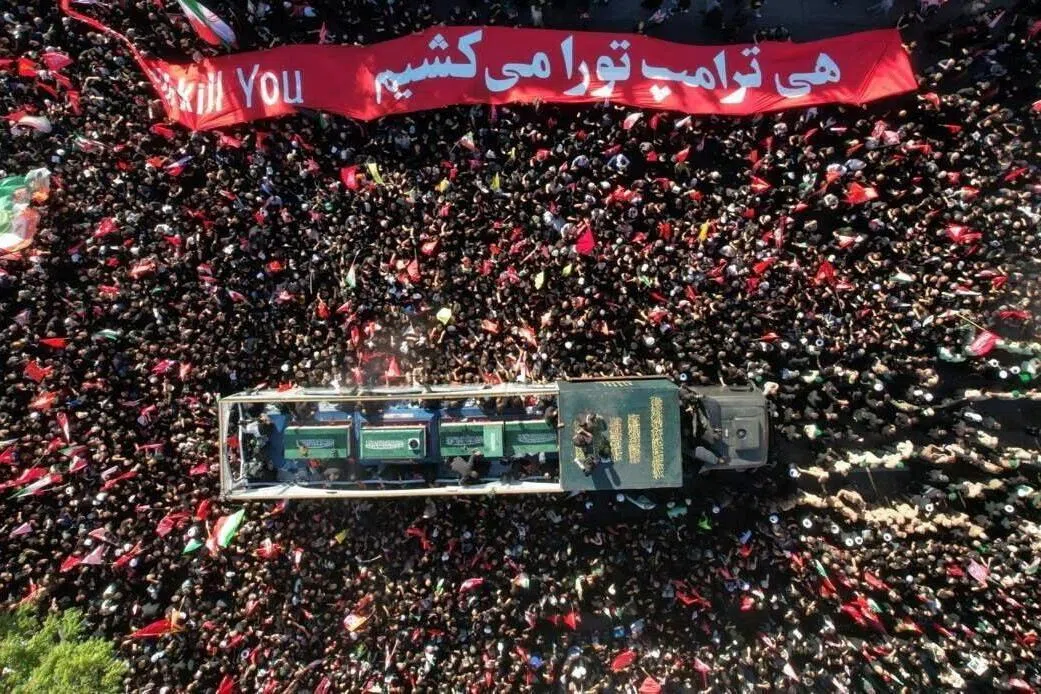
Iran has held funeral ceremonies for its former Supreme Leader, Ayatollah Akbar Hashemi Rafsanjani, who passed away on January 8, 2017. Rafsanjani, a pivotal figure in the Islamic Republic's history, served as president from 1989 to 1997 and was a key architect of its post-revolution policies. His death leaves a significant void in Iran's political landscape, particularly as the nation navigates complex domestic and international challenges. The succession for the role of Supreme Leader, currently held by Ayatollah Ali Khamenei, remains a subject of intense speculation. Following Rafsanjani's passing, some supporters voiced calls for retribution against US President Donald Trump. The political implications of Rafsanjani's absence are expected to unfold in the coming months, potentially influencing the balance of power within Iran's clerical and political establishment.
The passing of a prominent political figure like Ayatollah Akbar Hashemi Rafsanjani can trigger shifts in political dynamics, particularly concerning succession and national sentiment. While public mourning and calls for vengeance may reflect immediate emotional responses, the long-term impact will likely be shaped by institutional processes and geopolitical considerations. The uncertainty surrounding leadership transitions in Iran, coupled with external relations, presents a complex governance challenge. Future developments will depend on how Iran's established power structures adapt to this change and manage both internal cohesion and external pressures in the evolving global landscape.
AI-generated to prompt reflection — not editorial opinion, not advice, not a statement of fact. How this works.