Iran Claims Attack on Two Oil Tankers in Strait of Hormuz Under US Escort
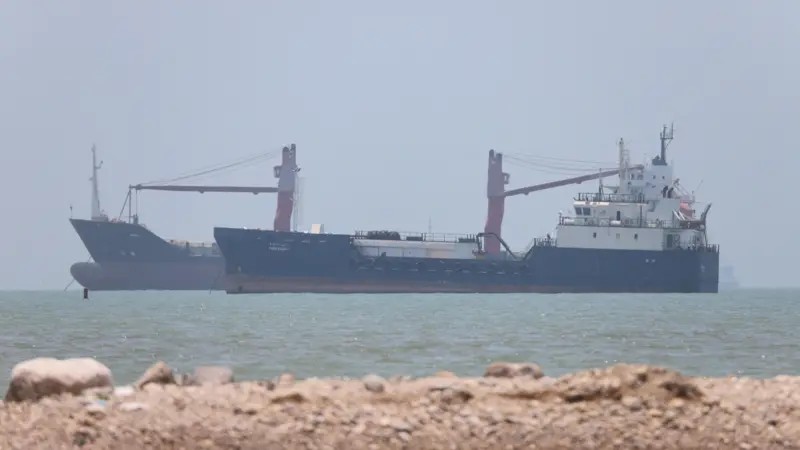
Iran's Revolutionary Guard announced on Friday, July 31st, that it attacked two oil tankers in the Strait of Hormuz. These vessels were reportedly traversing the region under the "air escort" of the United States military. According to the Iranian statement, the tankers were attempting to cross Hormuz on an "undeclared" route, which is an alternative supported by the U.S. and diverges from the route designated by Tehran closer to its coast. The statement further indicated that the tankers failing to adhere to regulations were "attacked and detained," while four other tankers swiftly changed course and returned to their previous positions. The Iranian military also issued a warning on Thursday night to "all owners of shipping and insurance companies" in Hormuz, instructing them to follow rules set by Tehran, which is currently enforcing a blockade on the maritime route. The United States had not yet commented on the incident at the time of reporting. This event follows previous attacks by Iran on commercial vessels in the Middle East amidst ongoing tensions.
This incident highlights the ongoing strategic competition and potential for escalation in the Strait of Hormuz, a critical global energy chokepoint. Iran's actions, framed as enforcing maritime regulations, appear to leverage its control over the strait to assert influence and potentially disrupt international shipping, particularly routes favored by the U.S. The U.S. military escort suggests an effort to ensure freedom of navigation and protect commercial interests. The differing routes mentioned could represent a deliberate tactic by Iran to challenge established maritime norms and create friction. Future developments will likely depend on the responses from both Iran and the U.S., as well as the broader international community's stance on maritime security and the implications for global energy markets. The incident underscores the complex geopolitical dynamics at play, where control over vital waterways can be used as a tool of statecraft.
AI-generated to prompt reflection — not editorial opinion, not advice, not a statement of fact. How this works.