Iran Claims Control of Strait of Hormuz, Rejects Talks After US Bombing Halt
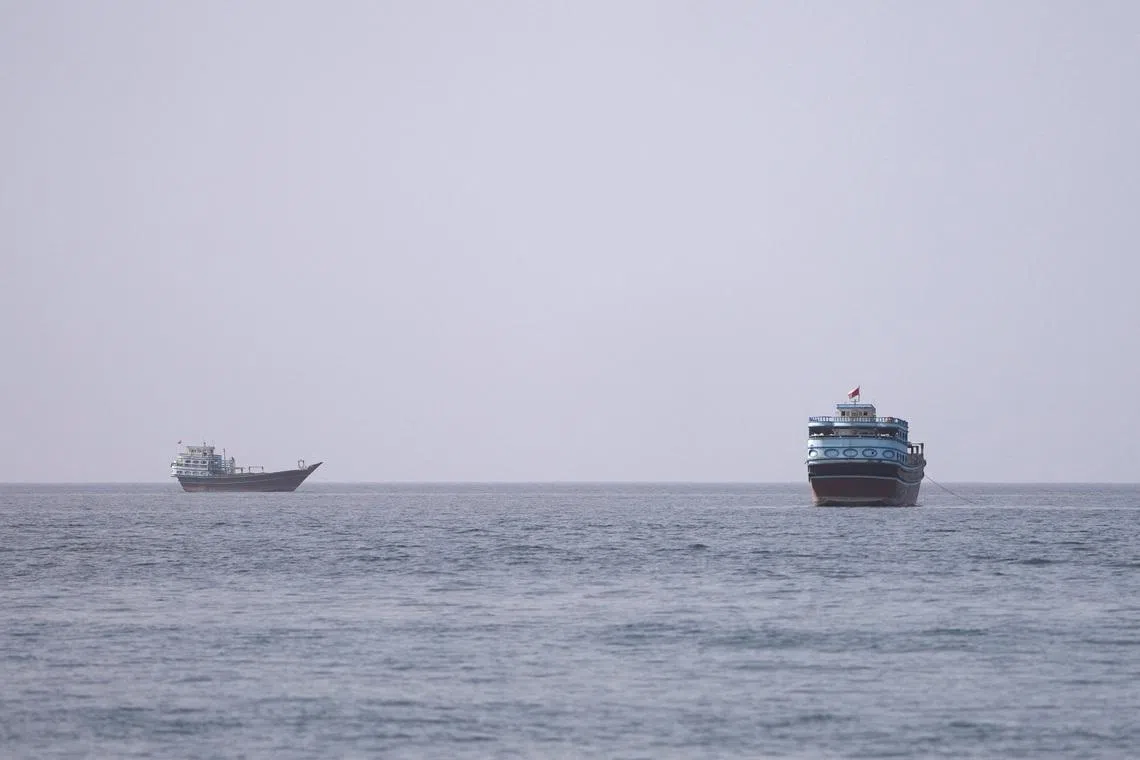
Iran stated on Monday that it maintains control over the Strait of Hormuz and is not pursuing a resumption of peace talks with the United States. This declaration follows President Donald Trump's decision to halt a two-week bombing operation. Top military officials had informed President Trump that the operation had reached its conclusion. The situation underscores the ongoing tensions and strategic importance of the Strait of Hormuz, a critical chokepoint for global oil transit. Iran's assertion of control and refusal to engage in talks signal a firm stance amidst heightened geopolitical dynamics in the region. The halt in bombing by the US, reportedly based on military advice, introduces a new phase in the standoff. Both nations remain engaged in a complex interplay of actions and reactions, with significant implications for regional stability and international energy markets.
The Iranian government's assertion of control over the Strait of Hormuz and rejection of talks, following the US halting a bombing campaign, highlights a strategic maneuver in a high-stakes geopolitical environment. This stance may be intended to project strength and deter further escalation, leveraging the strategic importance of the waterway. The US decision to halt operations, reportedly based on military assessments, suggests a potential recalibration of tactics rather than a fundamental shift in policy. Such actions, occurring within the context of broader regional rivalries and global energy dynamics, can create volatility. Future developments will likely depend on the interplay between domestic political considerations in both countries and the evolving calculus of deterrence and de-escalation, particularly as the world navigates increasing global interdependence and the potential for technological disruption in military and economic spheres.
AI-generated to prompt reflection — not editorial opinion, not advice, not a statement of fact. How this works.