Iran Claims Strait Control, Rejects Talks After US Bombing Halt
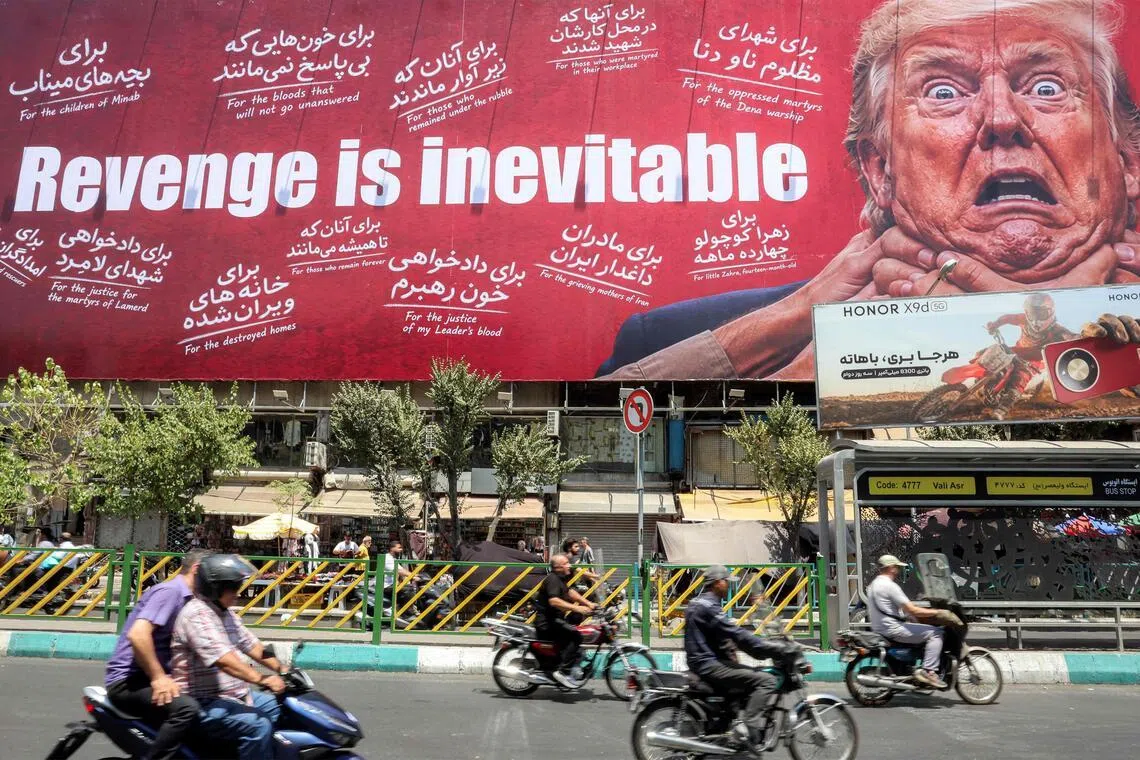
Iran has stated that it continues to maintain control over the Strait of Hormuz, asserting its authority in the strategic waterway. This declaration comes in the wake of the United States halting a series of escalating airstrikes over the weekend. President Donald Trump made the decision to cease the bombing campaign, which had reportedly been ongoing for 13 consecutive nights. Despite the de-escalation by the US, Iran has indicated that it is not seeking negotiations or diplomatic talks at this time. The country's stance suggests a firm position on its territorial integrity and regional influence. The situation remains tense as both nations navigate the aftermath of the halted military actions.
The Iranian government's assertion of control over the Strait of Hormuz, coupled with its rejection of talks following the US bombing halt, highlights a strategic maneuver to project strength and regional dominance. This stance may serve to consolidate domestic support and deter further external intervention by demonstrating resolve. The US decision to halt airstrikes, potentially influenced by a reassessment of escalation risks or domestic political considerations, creates a complex dynamic. Future interactions will likely be shaped by the interplay of perceived sovereignty, geopolitical leverage, and the economic importance of the Strait, with both nations seeking to optimize their strategic positions without triggering wider conflict.
AI-generated to prompt reflection — not editorial opinion, not advice, not a statement of fact. How this works.