Iran Claims Strait of Hormuz Maritime Traffic Remains Impossible Due to US Actions
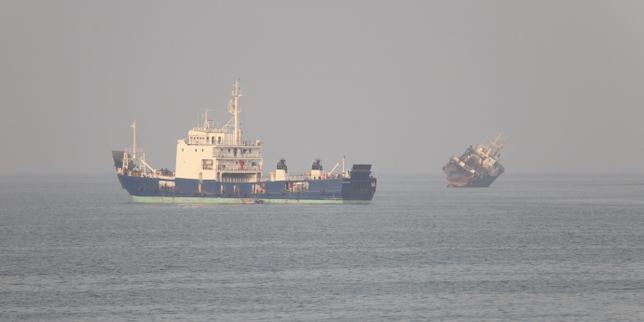
Iran's Persian Gulf Strait Authority, an entity established by Tehran to oversee traffic, has declared that maritime passage through the Strait of Hormuz is currently impossible. The authority attributes this ongoing disruption to what it describes as persistent aggressive actions by United States military forces in the region. This statement highlights the continued tension and potential impact on global shipping routes in a critical strategic waterway. The situation underscores the fragility of maritime security in the Persian Gulf and its susceptibility to geopolitical developments. The authority's assertion suggests a deliberate obstruction of traffic, the specifics of which are not detailed in the provided text. The declaration implies that commercial and military vessels face significant risks or outright blockades when attempting to transit the strait. This development could have far-reaching economic consequences, affecting oil prices and international trade. The ongoing nature of the reported impossibility of passage indicates a protracted period of disruption. The statement from the Iranian authority positions the United States as the direct cause of this critical navigational impediment.
This assertion by Iran's Persian Gulf Strait Authority regarding the impossibility of passage through the Strait of Hormuz, attributed to U.S. military actions, presents a critical geopolitical and economic juncture. From a systemic perspective, the control and accessibility of vital shipping lanes like Hormuz are inherently tied to regional power dynamics and international security agreements. The statement frames the U.S. presence as the direct cause of disruption, a narrative that serves to underscore Iran's strategic leverage and potentially justify reciprocal actions. Evaluating this claim requires considering the broader context of international maritime law, freedom of navigation principles, and the established security architecture in the region. The economic implications of such a blockage, even if partial or contested, can be substantial, impacting global energy markets and supply chains. Future developments will likely hinge on diplomatic resolutions, de-escalation efforts, and the adherence to international norms governing the use of such strategic chokepoints, particularly as global trade increasingly relies on secure maritime transit.
AI-generated to prompt reflection — not editorial opinion, not advice, not a statement of fact. How this works.