Iran Claims Two Tankers Exploded in Strait of Hormuz Amid Tensions
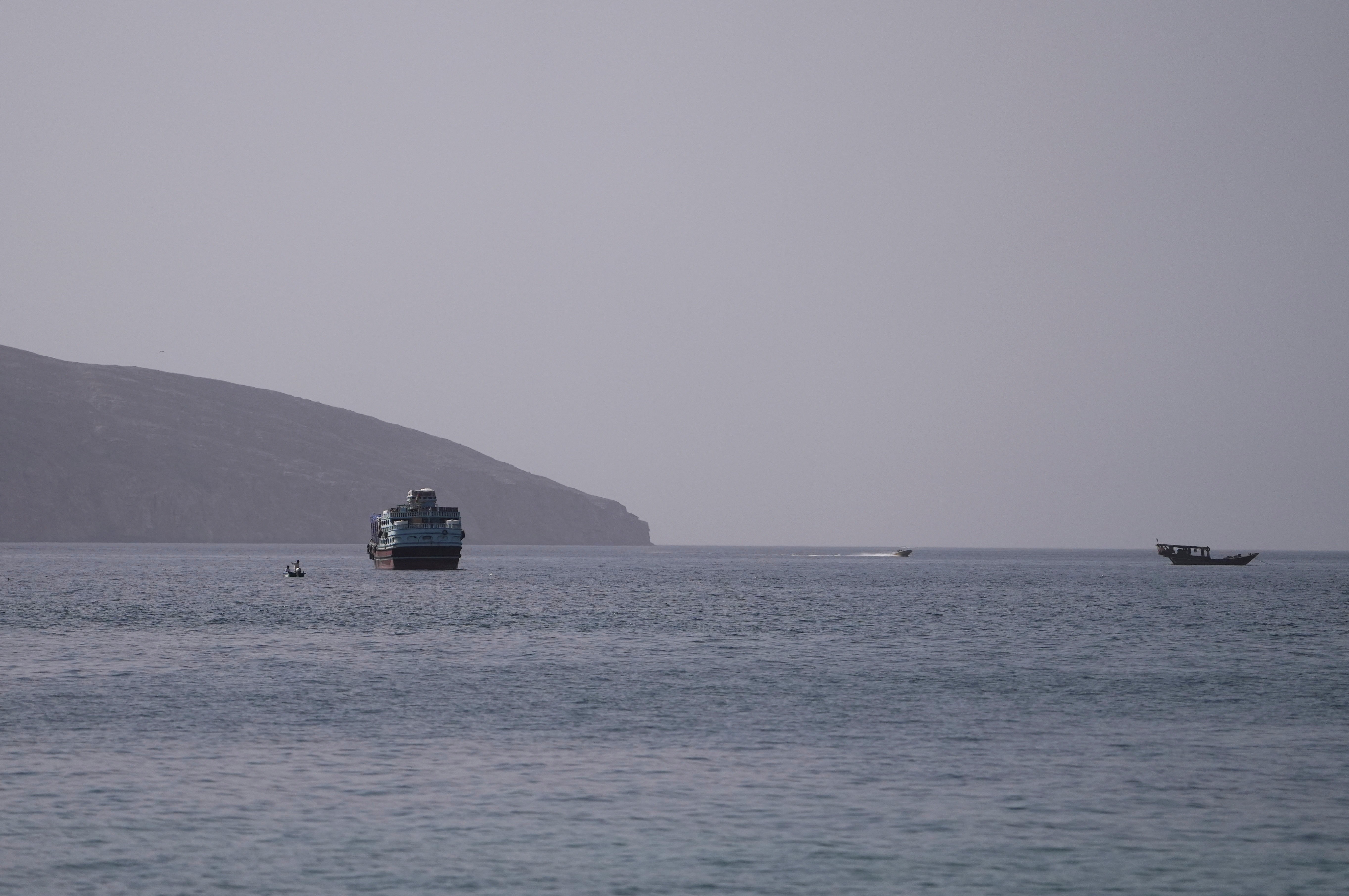
Iran's Revolutionary Guard reported on Sunday, June 19th, that two oil tankers experienced an "accident" and exploded after attempting to navigate the Strait of Hormuz via an "insecure route." According to the semi-official Tasnim news agency, two other vessels reportedly diverted from this route. The Revolutionary Guard further stated that all four vessels disregarded Iranian warnings and acted with U.S. backing, warning that ships influenced by American advice and entering unsafe routes would "certainly suffer accidents." The Guard asserted that the strait is unsafe for petrochemical, oil, and gas passage while the U.S. is active in the region. Earlier, the UK Maritime Trade Operations (UKTMO) reported a vessel on fire in the Strait of Hormuz, a critical chokepoint for approximately 20% of the world's oil. This incident follows a new wave of U.S. attacks against Iran, announced by the U.S. Central Command (Centcom) for the ninth consecutive night. These strikes are reportedly in retaliation for the deaths of three American soldiers during the ongoing conflict. President Trump confirmed the retaliatory nature of the attacks, stating they were carried out in honor of the fallen soldiers. Information regarding casualties among the crews of the exploded tankers is not yet available. Tensions between Tehran and Washington have been escalating since the collapse of a ceasefire agreement signed in June. Iran's Supreme Leader, Ayatollah Mojtaba Khamenei, accused the U.S. of repeatedly violating the peace agreement terms, deeming American presidential signatures "worthless and lacking credibility." Consequently, Tehran announced on Saturday the suspension of its commitments under the June ceasefire.
The reported explosions of two oil tankers in the Strait of Hormuz occur amidst a significant escalation in military rhetoric and action between Iran and the United States. Iran's assertion that the vessels were acting with U.S. support and entering "insecure routes" suggests a narrative aimed at attributing responsibility to external actors and justifying its own actions. The U.S. Central Command's acknowledgment of retaliatory strikes, linked to the deaths of American soldiers, frames the broader regional conflict through a lens of direct reprisal. This dynamic highlights the inherent risks of proxy engagements and the potential for miscalculation in a highly strategic waterway. The breakdown of the June ceasefire agreement further complicates the situation, indicating a deterioration of diplomatic channels and an increased reliance on military posturing. Future developments will likely depend on whether de-escalation efforts can be initiated or if the current tit-for-tat exchanges will lead to further instability in global energy markets and regional security.
AI-generated to prompt reflection — not editorial opinion, not advice, not a statement of fact. How this works.