Iran Conflict: A Gift to China, Not Trump
The ongoing conflict surrounding Iran, while fluctuating in intensity, has strategically benefited China significantly over the past three decades. Beijing has achieved substantial geopolitical advantages without firing a shot, incurring major expenses, or taking on significant political risks. This conflict has accelerated China's long-standing objectives: fostering a Middle East less reliant on the United States, increasing global dependence on Chinese technology, and positioning Beijing as a stable, responsible global power.
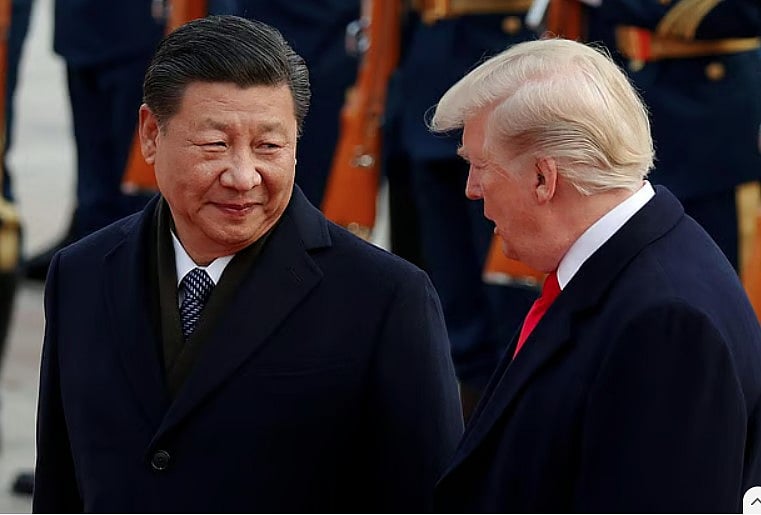
China has avoided the costly commitment of directly assuming security responsibilities in the Middle East. Instead, its strategy focuses on subtly reducing the influence of the US in the Gulf region. US President Donald Trump's actions have inadvertently advanced the strategic aims of Chinese leader Xi Jinping. Gulf allies of the US have observed what they perceive as a chaotic US approach to the conflict, seemingly disregarding the impact on their cities, infrastructure, and economies. This has led to a gradual division within the Persian Gulf region, with the UAE leaning towards Israel and the US, while nations like Saudi Arabia, Qatar, Oman, Iraq, and Turkey seek a balance involving dialogue with Iran and enhanced ties with China.
While China has faced some costs, including higher energy prices and supply disruptions, the relative gains are significant. The US has suffered damage to its objectives, alliances, and credibility, which China has leveraged. China's influence is evident in the 2023 China-brokered restoration of Saudi-Iranian diplomatic ties. Saudi Arabia has shown less interest in US-led data center and chip projects, instead purchasing missiles and drones from China, conducting joint naval exercises, and exploring domestic drone manufacturing. Between 2016 and 2025, over 80% of China's defense exports to the Middle East have gone to Gulf countries, indicating a desire for alternatives to US security umbrellas.
Economically, China has weathered the energy price shocks better than many due to years of preparation, diversified energy sources, substantial oil reserves, and increased reliance on coal and nuclear power. China's energy infrastructure, with nearly 30% of its total energy consumption from electricity and significant investments in renewable energy, allowed it to absorb import reductions. The conflict also serves as a major advertisement for China's technological prowess in clean energy, with dominant market shares in solar panels and batteries, making the world increasingly reliant on its industries as energy uncertainty persists.
Furthermore, the conflict aids China's goal of diminishing the dollar's global trade influence, as evidenced by Iran accepting payments in Chinese renminbi or cryptocurrency for oil shipments. This gradual shift away from US sanctions is becoming apparent. In contrast to the US's costly and ultimately unfulfilled objectives in the Middle East over the past 25 years, China has steadily built its manufacturing, technological, and diplomatic capabilities by working while Washington focused on direct engagement.
The current geopolitical landscape surrounding Iran presents a complex interplay of strategic maneuvering, where perceived US disengagement and erratic policy decisions have inadvertently created opportunities for China. While the US has expended significant resources and political capital, China has adopted a patient, long-term approach, focusing on economic and technological integration. This strategy allows China to gain influence without direct military involvement, leveraging its manufacturing dominance and technological advancements, particularly in clean energy and digital infrastructure. The shift in global trade dynamics, with a move away from dollar dependency, further aligns with China's objectives. The analysis suggests that the US's focus on short-term conflict management may be undermining its long-term strategic position, while China's emphasis on building economic partnerships and technological dependencies offers a more sustainable path to global influence over the next decade.
AI-generated to prompt reflection — not editorial opinion, not advice, not a statement of fact. How this works.