Iran Conflict Escalates: Trump Takes Direct Command, Targeting Maritime Assets
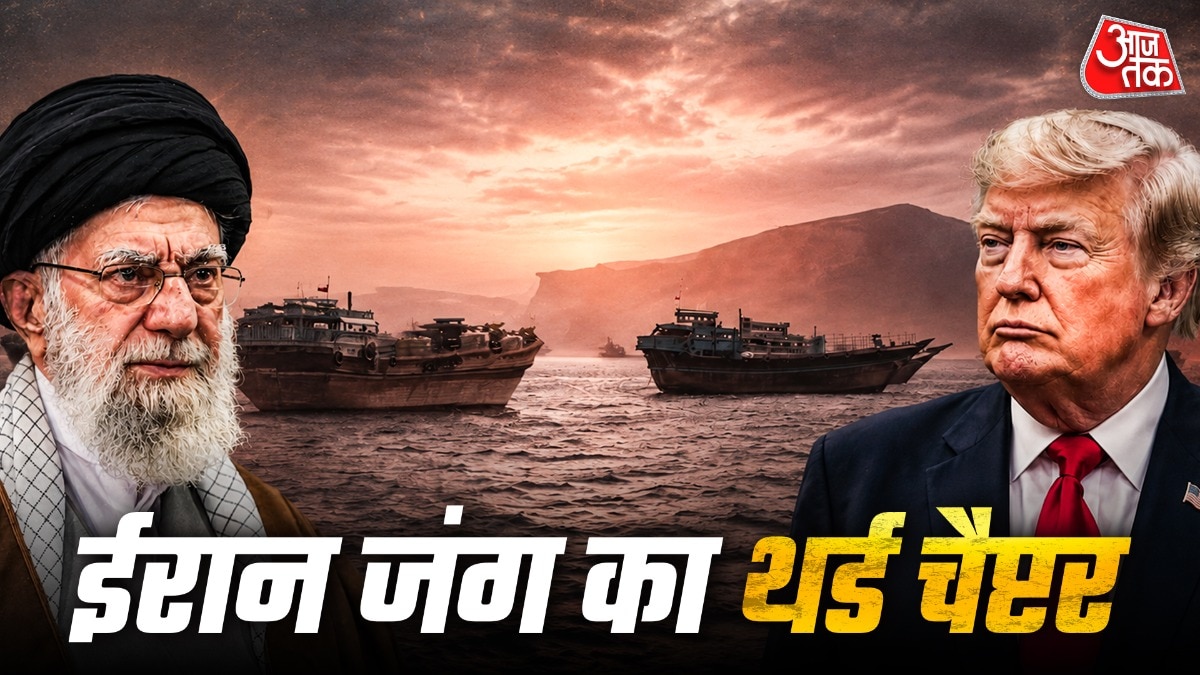
The conflict with Iran has entered a third and potentially most dangerous phase, moving beyond solely targeting nuclear facilities. The focus has now expanded to include the Strait of Hormuz and Iran's naval capabilities. President Trump has personally taken command of the operation, sidelining Israel. This strategic shift raises critical questions about the ultimate objective: is this a final attempt to neutralize Iran's power, or does it signal the beginning of a larger war in the Middle East? The current escalation suggests a significant increase in the stakes, with potential ramifications for regional stability and global maritime trade routes.
The reported escalation in the Iran conflict, with a shift in focus towards maritime assets and direct command by President Trump, suggests a potential recalibration of strategic objectives. This move may reflect an assessment that previous approaches have not achieved desired outcomes, prompting a more assertive posture. The targeting of the Strait of Hormuz, a critical global chokepoint, introduces significant economic and geopolitical risks. This development warrants careful consideration of the potential for unintended consequences, including broader regional destabilization and impacts on international energy markets. The long-term implications will depend on the specific goals pursued and the responses from regional and global actors, highlighting the complex interplay of security, economic, and diplomatic factors in the Middle East.
AI-generated to prompt reflection — not editorial opinion, not advice, not a statement of fact. How this works.