Iran conflict's ripple effect: Japanese farmers face rising costs and supply fears
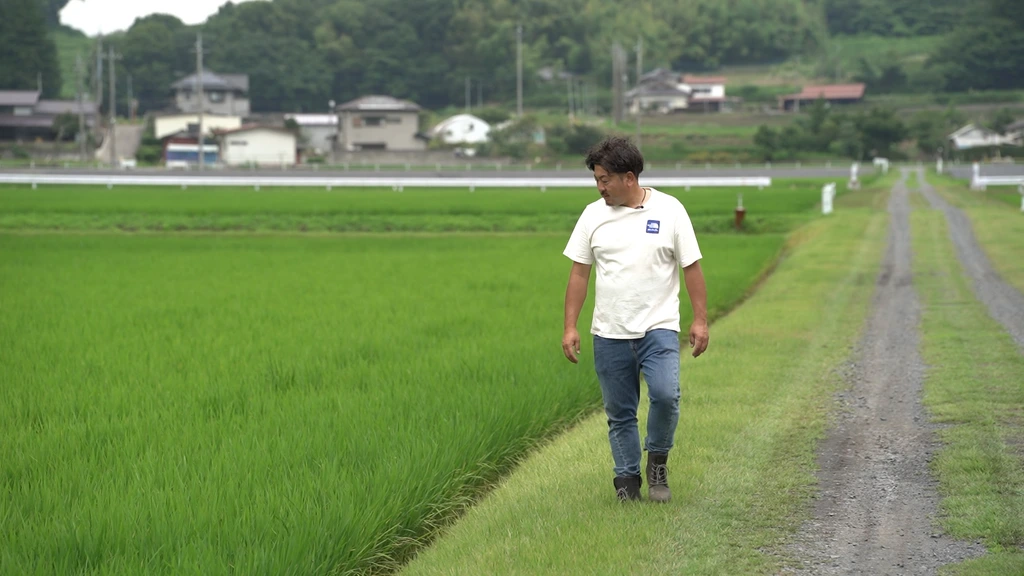
Norihito Morishima, a rice farmer in Haga, Japan, expresses deep concern about the upcoming years, anticipating significant challenges. Recent U.S. airstrikes on Iran have reignited fears of global trade disruptions, impacting not only oil and gas but also essential fertilizers. Morishima notes the unexpected influence of distant conflicts on his livelihood, highlighting the critical role of fertilizers like nitrogen, phosphate, and potassium in large-scale rice cultivation. Japan relies heavily on imports for these fertilizer components and for natural gas, a key input for fertilizer production, with a notable portion of its natural gas and global urea trade passing through the Strait of Hormuz. Japan had built up a three-month strategic reserve of fertilizers, which helped mitigate initial impacts. However, this reserve is now depleting, and replenishment efforts have failed following a temporary truce. The situation is exacerbated by rising wholesale demand, increased shipping insurance costs, and subsequent freight charges, all contributing to higher fertilizer prices. This renewed tension emerges as the fertilizer market was beginning to stabilize, with average prices having fallen in May. The World Bank warns of potential commodity price surges if tensions persist, and the World Economic Forum has labeled fertilizer a "geopolitical problem" with implications for global food security. Japan is pursuing strategies to reduce import dependency, diversifying sources for urea and phosphate, and investing in more efficient fertilizer use, composting, and nutrient recovery from sewage sludge. However, these long-term solutions will take time to yield significant results, leaving farmers like Morishima facing a difficult period of survival for the next three years.
Geopolitical tensions in the Middle East, exemplified by U.S. actions in Iran, have tangible and far-reaching economic consequences, extending to agricultural supply chains and food prices globally. The reliance of nations like Japan on imported fertilizers, which are energy-intensive to produce and often transported through critical maritime chokepoints like the Strait of Hormuz, exposes a systemic vulnerability. This situation underscores the interconnectedness of global energy markets, fertilizer production, and food security. As nations seek to mitigate such risks, investments in domestic production, diversified sourcing, and sustainable agricultural practices, such as nutrient recycling, become strategically imperative. The challenge lies in balancing immediate supply needs with the long-term transition to more resilient and less geopolitically sensitive agricultural inputs, a process that requires sustained innovation and international cooperation.
AI-generated to prompt reflection — not editorial opinion, not advice, not a statement of fact. How this works.