Iran Considers Special Strait of Hormuz Access for Friendly Nations
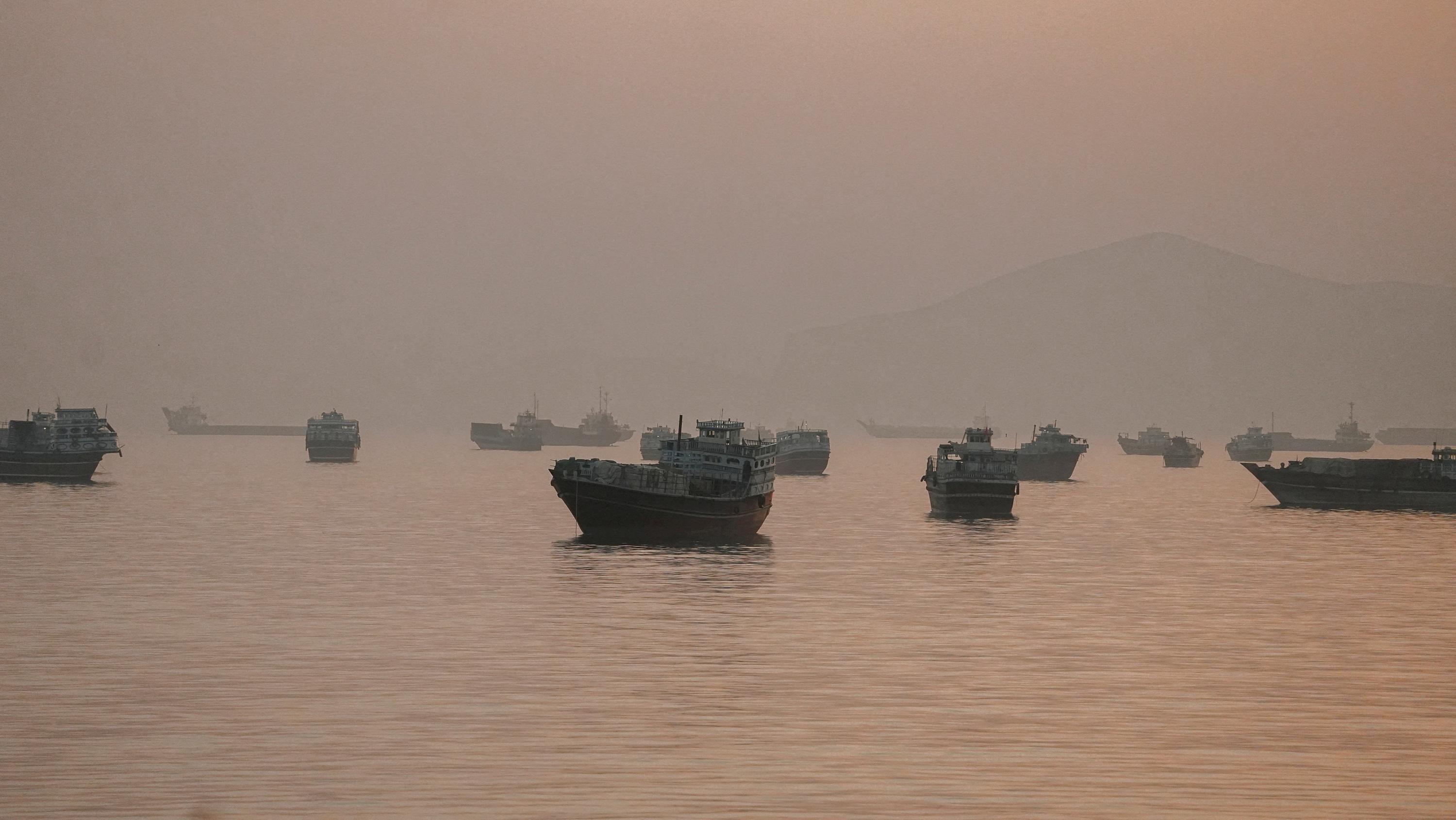
Iran is reportedly considering the establishment of a "special" right of passage through the Strait of Hormuz, specifically for allied countries. This potential measure comes amidst ongoing uncertainties regarding the future of maritime access in this critical waterway. An initial framework agreement between Iran and the United States had stipulated a 60-day period of openness for the strait. However, the terms and conditions beyond this initial period remain unclear. The Strait of Hormuz is a vital chokepoint for global oil transit, making any changes to its access policies significant for international trade and energy markets. The specific nature of this "special" right and the criteria for defining "friendly countries" are yet to be detailed. This development highlights Iran's strategic considerations in managing its maritime borders and international relations.
Iran's contemplation of preferential access through the Strait of Hormuz for select nations suggests a strategic maneuver to leverage its geopolitical position. This approach could be interpreted as an attempt to bolster alliances and potentially exert influence over regional maritime security dynamics. By offering differentiated access, Iran may be seeking to create economic and political incentives for its partners, while simultaneously signaling its control over a critical global chokepoint. The long-term implications of such policies could involve increased regional tensions or, conversely, the formation of new trade and security blocs, depending on the broader geopolitical context and the reactions of other major maritime powers. This policy could also be viewed through the lens of economic statecraft, aiming to secure trade routes and foster economic relationships that align with Iran's national interests in an evolving global order.
AI-generated to prompt reflection — not editorial opinion, not advice, not a statement of fact. How this works.