Iran Considers Special Treatment for Friendly Nations in Hormuz Strait
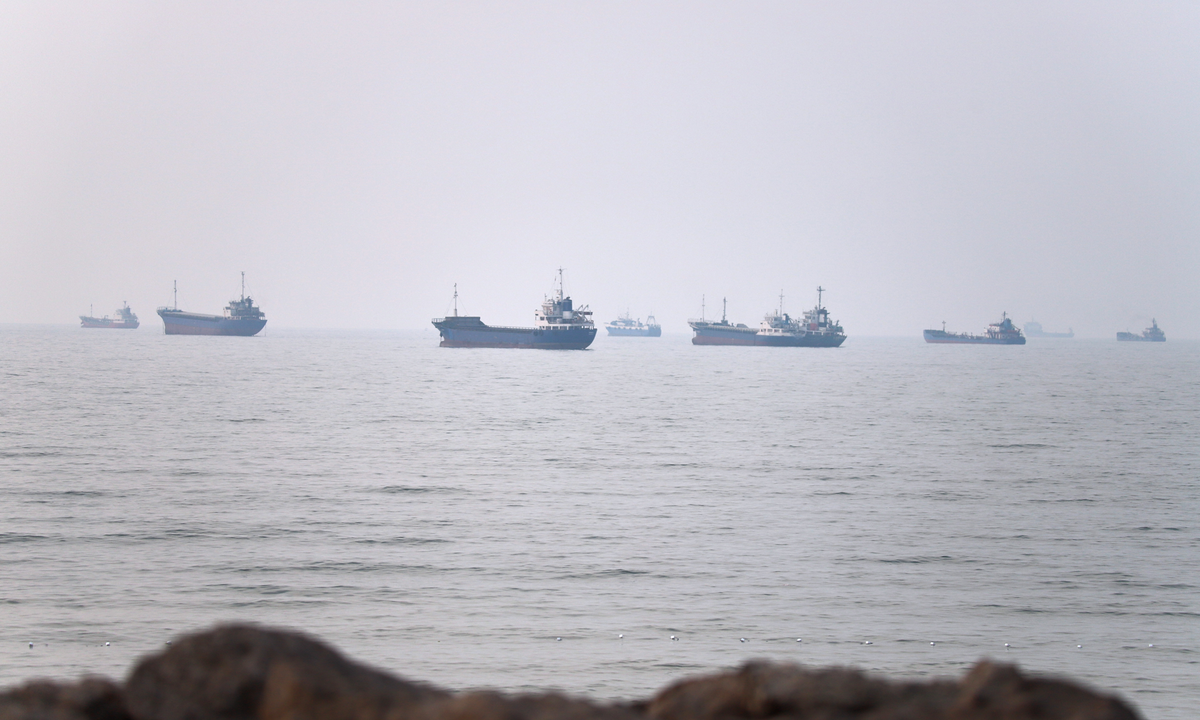
Iran's ambassador has announced that vessels transiting the Strait of Hormuz will be subject to fees. However, Tehran is open to considering "special treatment" for countries deemed friendly. This policy shift suggests a potential new revenue stream for Iran, leveraging its strategic control over a vital global shipping lane. The specifics of what constitutes "friendly" and the nature of the "special treatment" remain to be detailed. This move could impact global trade dynamics and international relations, particularly for nations heavily reliant on maritime transport through the strait. Further clarification from Iranian authorities is expected regarding the implementation and scope of these proposed fees and preferential policies.
Iran's proposed transit fees for the Strait of Hormuz, coupled with the possibility of 'special treatment' for friendly nations, represent a strategic economic maneuver. By potentially monetizing passage through this critical chokepoint, Iran could aim to bolster its national revenue and exert influence over international maritime traffic. The distinction between 'friendly' and other nations introduces a geopolitical dimension, suggesting that access and cost could become tools of foreign policy. This approach may incentivize nations to align with Iran's interests to secure favorable terms, while potentially increasing costs and logistical complexities for others. The long-term implications could involve shifts in trade routes, increased shipping insurance premiums, and heightened diplomatic tensions, depending on the global response and the clarity of Iran's policy implementation.
AI-generated to prompt reflection — not editorial opinion, not advice, not a statement of fact. How this works.