Iran Crafts Symbol of Resistance, Linking Khamenei's Journey to Karbala
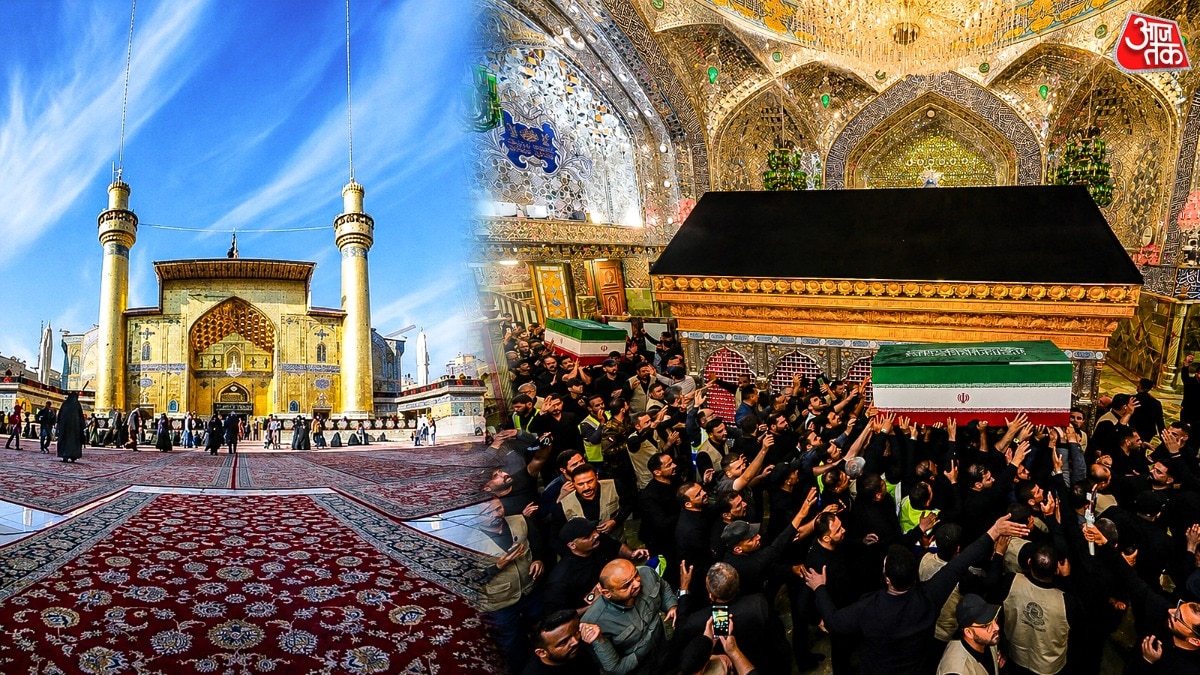
The mortal remains of Iran's Supreme Leader Ali Khamenei have reached the holy Shia cities of Najaf and Karbala. Khamenei had previously visited these cities as a student 69 years ago. His return to these significant locations marks a resurgence of the tradition of rebellion and resistance within Shia history. The journey through Najaf and Karbala is being presented as a potent symbol for Shia communities. This event underscores the historical and spiritual importance of these cities in Shia Islam. The narrative surrounding Khamenei's final journey emphasizes themes of continuity and defiance. It connects his personal history with pivotal moments in Shia religious and political heritage. The symbolic weight of traversing these sacred sites is intended to resonate deeply with followers.
The framing of Ali Khamenei's journey through Najaf and Karbala as a symbol of resistance and rebellion taps into deep-seated Shia historical narratives. This strategic positioning leverages religious pilgrimage routes to reinforce political legitimacy and continuity, particularly in the context of leadership transitions. By connecting the present leader's final passage with historical events and sacred sites, Iran aims to solidify a sense of enduring ideological struggle and spiritual authority. This approach highlights the intricate interplay between religious symbolism and statecraft in shaping national identity and garnering popular support, potentially influencing regional perceptions and internal political dynamics for years to come.
AI-generated to prompt reflection — not editorial opinion, not advice, not a statement of fact. How this works.