Iran Crisis and 'Multiple Clocks': What Lies Beyond Adjusting Time Discrepancies
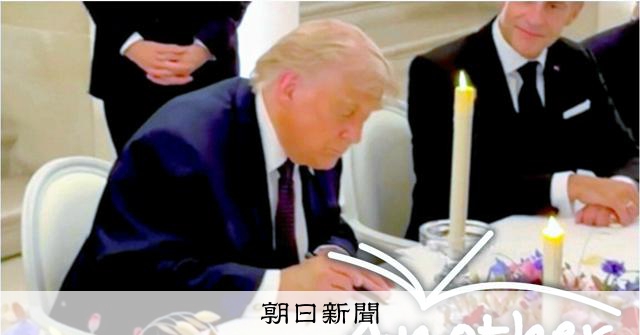
The article discusses the concept of 'multiple clocks' in the context of the Iran crisis, suggesting that different actors perceive and operate on different timelines. This temporal divergence can lead to misunderstandings and miscalculations, exacerbating the crisis. The author implies that a resolution requires aligning these disparate temporal perspectives. The 'Iran crisis' likely refers to the ongoing geopolitical tensions involving Iran, its nuclear program, and international relations. The metaphor of 'multiple clocks' suggests that diplomatic efforts, military postures, and internal decision-making processes within Iran and among international powers may not be synchronized. This lack of synchronization could mean that actions taken by one party are based on outdated information or expectations regarding another's intentions or capabilities. Adjusting these 'time differences' would involve fostering better communication, establishing shared understandings of the current situation, and coordinating future actions. The ultimate goal of such an adjustment is to move towards a more stable and predictable environment, potentially averting further escalation or conflict. The article doesn't specify the exact nature of the crisis or the specific actors involved, but the metaphor highlights the critical role of timing and perceived timelines in international relations, particularly during periods of heightened tension.
The framing of the 'Iran crisis' through the metaphor of 'multiple clocks' suggests a potential disconnect in strategic timing and perception among involved international actors and Iran itself. This temporal misalignment can create vulnerabilities, as actions may be misinterpreted or responses may be delayed, leading to unintended escalation. Understanding these differing operational tempos and decision-making cycles is crucial for de-escalation. Future diplomatic frameworks could benefit from incorporating mechanisms that explicitly address and synchronize these divergent timelines, fostering a more predictable and stable geopolitical environment. This approach shifts focus from immediate reactions to a more strategic, long-term coordination of intentions and actions.
AI-generated to prompt reflection — not editorial opinion, not advice, not a statement of fact. How this works.