Iran Declares Hormuz Strait a 'Red Line,' Threatens Retaliation
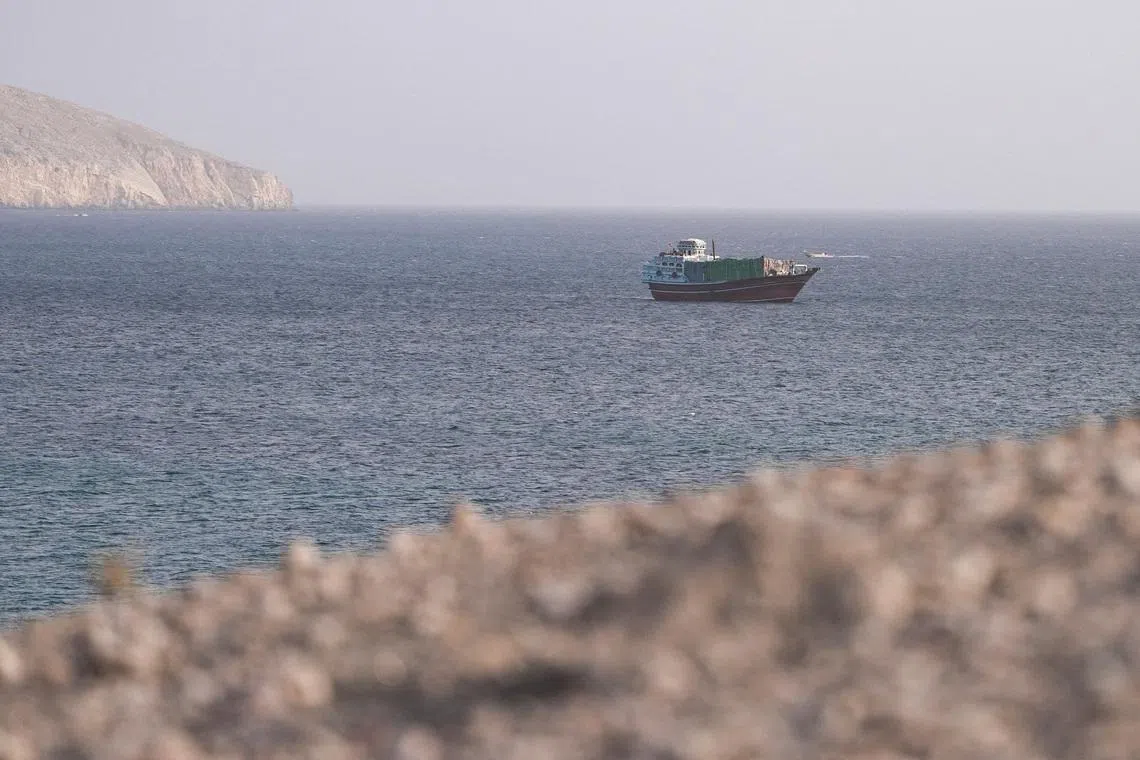
Iran has issued a stern warning regarding the Strait of Hormuz, declaring it a "red line" and vowing to resist until the very end. The country's leadership has threatened to strike back forcefully if the United States military targets Iran's infrastructure. This statement signifies a hardening of Iran's stance on its territorial integrity and strategic waterways. The warning comes amidst ongoing geopolitical tensions in the region. Iran's commitment to defending its interests, even under threat of military action, underscores the volatile nature of the current international climate. The nation's resolve suggests a willingness to escalate conflict if provoked, particularly concerning its vital maritime passage. This declaration serves as a clear signal of Iran's defensive posture and its determination to protect what it deems critical national interests.
Iran's declaration regarding the Strait of Hormuz highlights the critical importance of strategic chokepoints in international relations and military strategy. By framing the strait as a "red line," Iran signals its intent to deter any actions perceived as aggression, leveraging its geographic position as a potential point of leverage. This posture reflects a broader pattern of statecraft where control over vital trade and military routes is asserted through strong rhetoric and the implied threat of asymmetric responses. The emphasis on resisting "until the end" suggests a commitment to protracted conflict if deterrence fails, a strategy that carries significant economic and human costs for all parties involved. Future geopolitical stability may depend on de-escalation mechanisms that acknowledge such red lines without conceding strategic advantage, fostering dialogue to manage potential flashpoints.
AI-generated to prompt reflection — not editorial opinion, not advice, not a statement of fact. How this works.