Iran Denies Direct Talks with U.S. Amidst Trump's Claim of Imminent Deal
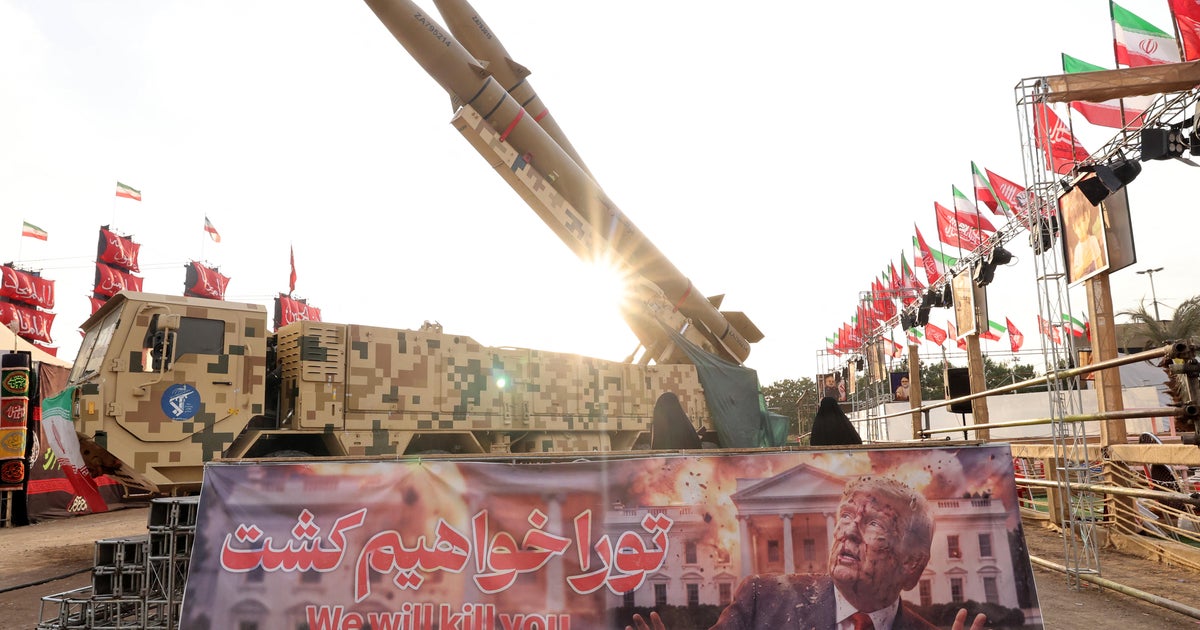
Iran officially denied on Monday any intention to engage in direct negotiations with the United States. This statement comes in direct contradiction to claims made by U.S. President Donald Trump, who asserted that a "deal is imminent" between the two nations. The Iranian government has not provided further details regarding the basis of President Trump's assertion. The denial from Tehran suggests a significant divergence in perceived diplomatic progress. This situation highlights the complex and often unpredictable nature of international relations and communication between countries with strained ties. The public discrepancy in statements raises questions about the channels of communication and the information being shared between the U.S. administration and the Iranian government.
The conflicting public statements from the U.S. President and the Iranian government indicate a potential disconnect in diplomatic signaling or a strategic divergence in communication tactics. From a geopolitical perspective, such discrepancies can introduce uncertainty into international relations, potentially impacting regional stability and global markets. The differing narratives may reflect underlying strategic objectives, where one party seeks to project progress while the other prioritizes a different approach to engagement. Analyzing these statements through the lens of future diplomatic frameworks suggests that clear, consistent, and verified communication channels are crucial for de-escalating tensions and fostering genuine dialogue, especially in an era increasingly shaped by rapid information dissemination and potential for misinformation.
AI-generated to prompt reflection — not editorial opinion, not advice, not a statement of fact. How this works.
