Iran Denies New Talks with US, Cites Oman Discussions
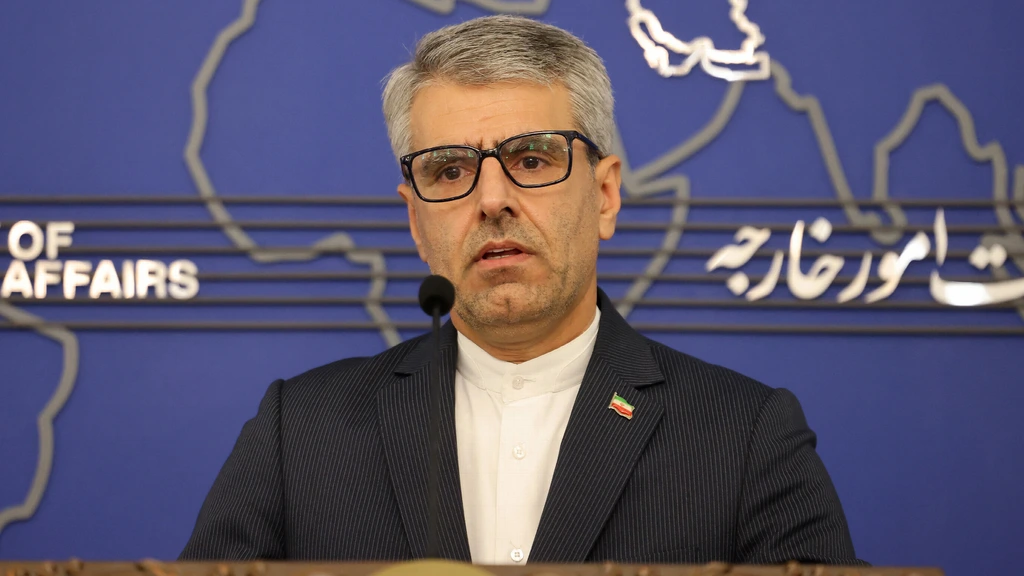
Iran's Foreign Ministry spokesperson Baghaei has denied that any new discussions are taking place with the United States, contradicting President Trump's earlier statement that negotiations for a ceasefire would resume that afternoon. Baghaei stated that Iran has no plans to host foreign delegations or send negotiators for talks with the U.S. Currently, Iran is only engaging in discussions with Oman regarding a temporary shipping route through the Strait of Hormuz, a waterway bordering both nations. Iran reports progress in these Oman-led talks but indicates that reaching an agreement with Oman alone is insufficient to fully reopen the Strait due to ongoing U.S. actions against Iran.
President Trump had previously threatened further attacks on Iran but ultimately called them off to facilitate an agreement, suggesting broad outlines of a deal were in place. He mentioned that an attack was prepared but postponed at the request of allies, including Qatar and Saudi Arabia. Approximately two months prior, these nations signed a memorandum of understanding, mediated by Pakistan, to end the conflict. While attacks ceased for several weeks thereafter, hostilities reignited last month. Trump's objective in new negotiations includes the complete opening of the Strait of Hormuz to shipping. Domestically, the U.S. president faces pressure concerning the economic ramifications of the conflict, such as elevated fuel prices.
The conflicting statements from Iranian and U.S. officials highlight the complexities of de-escalation and negotiation in a volatile geopolitical environment. The U.S. administration's public announcements of impending talks, juxtaposed with Iran's denials, suggest potential divergences in communication strategies or a deliberate tactic to manage domestic and international perceptions. Iran's emphasis on discussions with Oman underscores a preference for multilateral or regional mediation, possibly to circumvent direct engagement with the U.S. or to leverage existing relationships. The economic pressures on the U.S. president, particularly concerning energy prices, may influence the urgency and framing of diplomatic overtures. Future developments will likely depend on the ability of intermediaries to bridge communication gaps and the extent to which stated objectives, such as the reopening of the Strait of Hormuz, can be reconciled with underlying security concerns and national interests of all parties involved.
AI-generated to prompt reflection — not editorial opinion, not advice, not a statement of fact. How this works.
