Iran Denies Requesting Talks with US, Contradicting Trump Statement
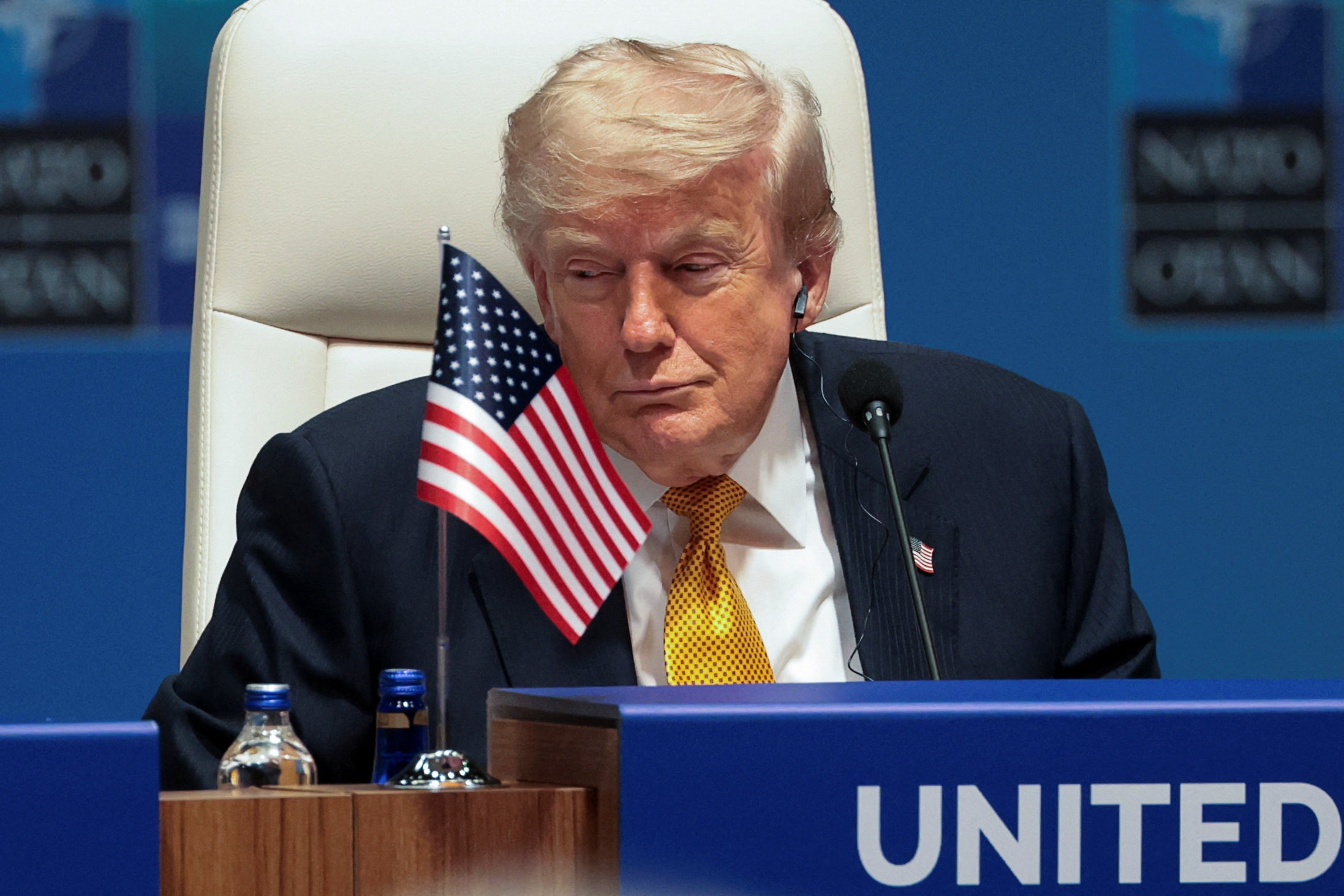
Iran has denied requesting negotiations with the United States, directly contradicting a statement made earlier by U.S. President Donald Trump. Esmaeil Baghaei, spokesperson for Iran's Ministry of Foreign Affairs, stated that Tehran had not initiated talks with the U.S. but had agreed to a visit from a Qatari mediator, according to Iranian state television. President Trump had announced that the U.S. had agreed to negotiate with Iran after Tehran supposedly asked to continue discussions, while also noting that the June ceasefire between the two nations had ended. This exchange follows attacks on three commercial tankers from Qatar and Saudi Arabia, which led to U.S. airstrikes on Iranian targets. Iran subsequently retaliated with attacks on U.S. military installations in neighboring Gulf countries on Thursday, September 9th. Trump's tweet stated, "The Islamic Republic of Iran asked us to continue the 'negotiations.' We agreed to that, but the United States made it absolutely clear to them that the ceasefire IS OVER!". Mediators from Qatar met with Iranian officials on Friday to de-escalate tensions after the reciprocal attacks. These discussions are also expected to address navigation through the Strait of Hormuz, a critical maritime route. Daily tanker traffic through the strait had slowed, raising concerns about global oil supply and shipping security, highlighting the fragility of the provisional truce. The negotiations aim to discuss the implementation of a memorandum of understanding signed in June and address recent escalations, including disputes over navigation in the Strait of Hormuz.
The conflicting statements from Iran and the U.S. President highlight the complex diplomatic landscape and potential for miscommunication in a high-stakes geopolitical environment. The incident underscores the challenges of de-escalation when direct communication channels may be strained or when public pronouncements are used as strategic tools. The involvement of Qatar as a mediator suggests a recognition of the need for third-party facilitation to bridge divides and manage sensitive negotiations. Future developments will likely depend on whether actors prioritize verifiable de-escalation through established diplomatic channels over public signaling, particularly concerning critical trade routes like the Strait of Hormuz, which are vital for global energy markets.
AI-generated to prompt reflection — not editorial opinion, not advice, not a statement of fact. How this works.