Iran diplomat: Knowing leaders' meeting details is a security loophole
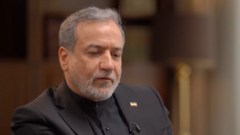
Abbas Araghchi, Iran's Foreign Minister, stated that knowledge of leaders' meeting details constitutes a security loophole that likely persists. He suggested that the "bombing of the Supreme Leader's office" and the deaths of Iran's leader and several military and political commanders may have occurred through this security vulnerability. This loophole apparently provided information about all meetings held on the first day of the 40-day war. Speaking on the program "The Story of the War," broadcast on Iranian television, Araghchi revealed that a decision had been made before the war began to "close the Strait of Hormuz if the leadership was targeted." This implies a potential intelligence leak that could have facilitated the attack.
The assertion by Iran's Foreign Minister that knowledge of high-level meeting details represents an ongoing security loophole raises critical questions about internal information security protocols within the Iranian government. If such a vulnerability existed and was exploited, it could have had significant strategic implications, potentially influencing battlefield decisions and national security posture. The alleged pre-war contingency plan to close the Strait of Hormuz in response to leadership targeting suggests a proactive, albeit reactive, strategic foresight. However, the revelation of this potential intelligence gap, if accurate, highlights systemic challenges in safeguarding sensitive information, particularly in a geopolitical climate marked by significant regional tensions. Future security architectures will need to address such potential vulnerabilities to ensure operational integrity and strategic resilience.
AI-generated to prompt reflection — not editorial opinion, not advice, not a statement of fact. How this works.