Iran Divided Over Hormuz Strait: IRGC vs. Government Stance
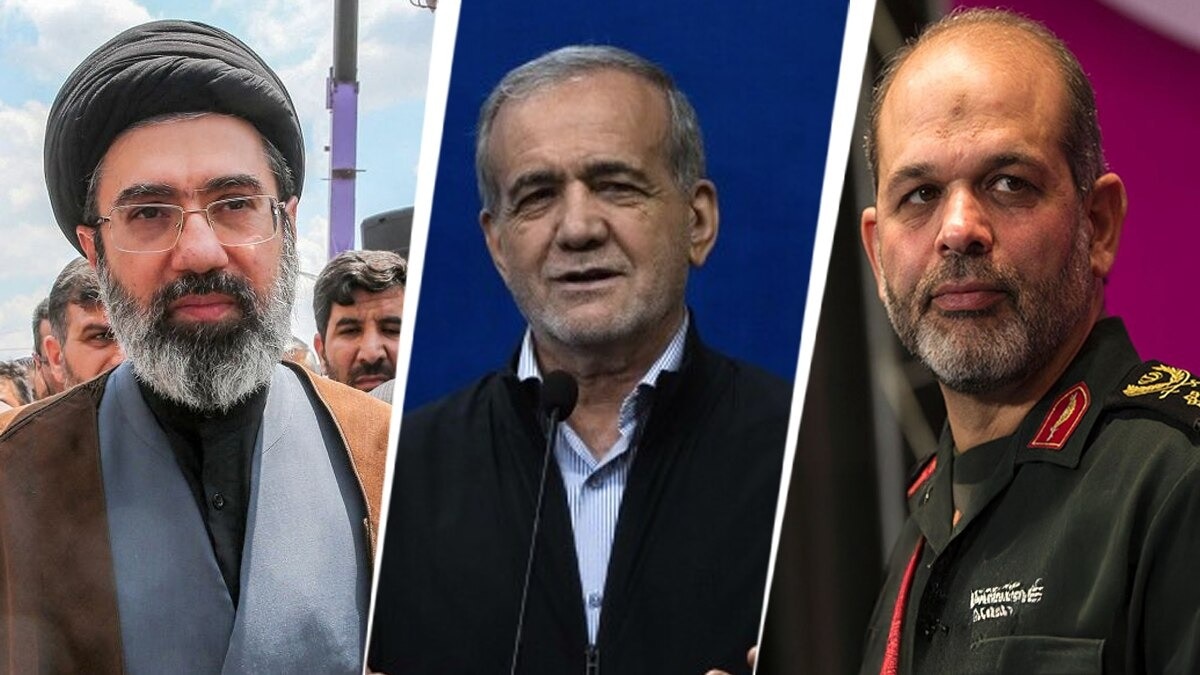
Internal disagreements within Iran have become apparent regarding the Hormuz Strait. Hardline factions and the Islamic Revolutionary Guard Corps (IRGC) advocate for maintaining control of the strait and seeking retribution against the United States. In contrast, the government led by President Masoud Pezeshkian is pursuing a diplomatic approach, aiming for a resolution through dialogue and negotiation. This divergence highlights a significant rift in Iran's foreign policy and strategic objectives concerning a critical global waterway. The IRGC's stance emphasizes a confrontational posture, potentially escalating regional tensions. Conversely, President Pezeshkian's administration appears to favor de-escalation and engagement, signaling a potential shift in diplomatic strategy. The differing viewpoints underscore the complex political landscape within Iran and its implications for international relations.
The contrasting approaches to the Hormuz Strait between Iran's IRGC and the government reflect a fundamental tension between hardline security interests and pragmatic diplomatic engagement. This internal division suggests that Iran's foreign policy decisions may be subject to competing influences, potentially impacting its strategic predictability. The IRGC's emphasis on control and retribution aligns with a traditional security paradigm, while the government's pursuit of dialogue indicates an awareness of economic and geopolitical costs. This dynamic raises questions about the long-term efficacy of either strategy in achieving national objectives, particularly in the context of evolving global power structures and the increasing importance of international cooperation in managing critical maritime chokepoints.
AI-generated to prompt reflection — not editorial opinion, not advice, not a statement of fact. How this works.