Iran Escalates Gulf Attacks Post-US Strikes, Claims Hormuz Strait Closure
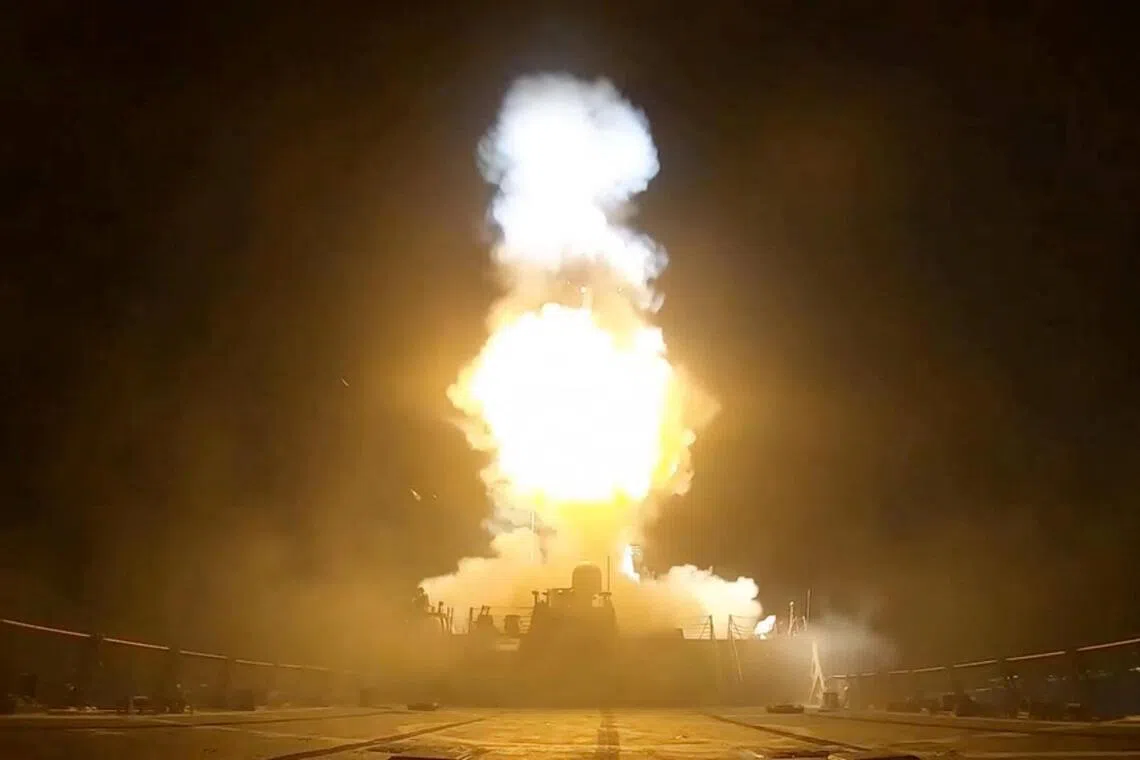
Following recent US strikes, Iran has intensified its attacks on Gulf states, asserting that the Strait of Hormuz has been closed. This escalation of violence raises significant concerns about the viability of the interim US-Iranian agreement that was established in June. The renewed hostilities introduce further uncertainty into an already fragile geopolitical landscape in the region. The implications of Iran's actions and its control over a critical global shipping lane are substantial. The situation demands careful monitoring as it could lead to wider regional instability and impact international trade routes. The future of diplomatic efforts and the potential for de-escalation remain in question amidst these developments.
The reported escalation of attacks by Iran and its claim regarding the Strait of Hormuz closure, occurring subsequent to US strikes, signals a potential shift in regional power dynamics. This event highlights the complex interplay between geopolitical actions and their repercussions on international commerce and security. The assertion of control over a vital chokepoint like the Strait of Hormuz, if sustained, could significantly alter global energy markets and maritime trade. The future trajectory will likely depend on the strategic calculations of all involved parties, including the response from the US and its allies, and the internal political considerations within Iran. This situation underscores the persistent challenges in managing state-level conflict and the critical need for robust diplomatic frameworks to ensure stability in strategically sensitive areas.
AI-generated to prompt reflection — not editorial opinion, not advice, not a statement of fact. How this works.