Iran Executes Protester Mehdi Khanki for Alleged Espionage and Weapons Charges
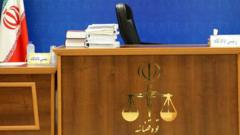
Iran's judiciary has announced the execution of Mehdi Khanki, identified as a participant in the December 2023 protests. Khanki was convicted on charges of "operational action" in favor of Israel, the United States, and hostile groups. Additionally, he was found guilty of "manufacturing, acquiring, and possessing war weapons and ammunition and using them." The judiciary has not provided further details regarding the specific nature of the "operational action" or the evidence supporting these claims. The execution took place following a trial where these charges were levied against him. The government of Iran has previously used similar charges against individuals involved in protests.
The execution of Mehdi Khanki, following charges of acting for foreign adversaries and illegal weapons possession, highlights the Iranian judiciary's approach to dissent and perceived threats. The broad phrasing of "operational action" for hostile states and groups, coupled with weapons charges, suggests a strategy to frame protest participants as national security risks. This approach may serve to deter future demonstrations by increasing the perceived severity of consequences. The international community will likely scrutinize the transparency and fairness of the legal process, particularly given the geopolitical context and Iran's past use of such charges. The long-term implications involve the potential for further erosion of civil liberties and increased international concern over human rights within Iran.
AI-generated to prompt reflection — not editorial opinion, not advice, not a statement of fact. How this works.