Iran executes two men linked to anti-regime protests
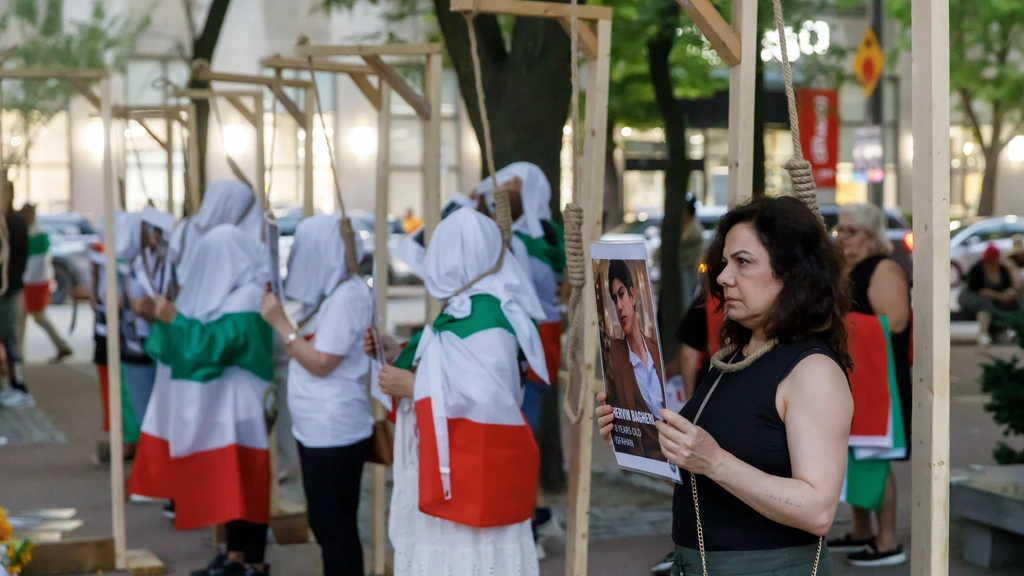
Iran has executed two men, identified as Erfan Esfandiyari and Golmohammad Mohammadi, who participated in the mass protests against the regime earlier this year. Iranian state media reported that the two were convicted and executed for allegedly torturing and killing security forces. According to authorities, they were involved in a coordinated attack on officers in the city of Isfahan on January 8, during which they allegedly attacked a police station with weapons and set officers on fire. The Mizan news agency, linked to the judiciary, stated that the attack was filmed and that several arrested suspects confessed on camera. Human rights organizations, however, suggest these confessions were likely made under duress. The protests, which began earlier this year, were met with significant force by Iranian security forces and paramilitaries, resulting in the deaths of thousands of demonstrators and the imprisonment of thousands more activists and dissidents. This crackdown effectively quelled the largest protests in years. The Iranian regime has characterized the demonstrators as rioters and traitors, alleging that the protests were instigated by the U.S. and Israel. The report also mentions former U.S. President Trump's encouragement for Iranians to continue protesting and his threats of military action. It further states that the U.S. and Israel carried out heavy bombings on Iran on February 28 to dismantle its nuclear program, weakening the regime and its armed forces, though they remain in power. Tehran has intensified its repression of the civilian population in recent years, with human rights organizations recording a record number of executions last year, exceeding 1,600 individuals.
The execution of Erfan Esfandiyari and Golmohammad Mohammadi highlights the Iranian regime's strategy of swift and severe punitive measures against participants in widespread dissent. The state's narrative, emphasizing the alleged violence against security forces and framing protesters as foreign-influenced traitors, serves to legitimize harsh suppression and deter future organized opposition. This approach, coupled with a documented rise in executions, suggests a governance model prioritizing regime stability through coercive control over addressing underlying societal grievances. Looking ahead, the tension between state repression and popular demands for change, exacerbated by geopolitical influences, presents a persistent challenge to Iran's long-term social and political trajectory, potentially shaping regional dynamics and international relations.
AI-generated to prompt reflection — not editorial opinion, not advice, not a statement of fact. How this works.