Iran Executes Two More Men for January Protests Amid Rights Concerns
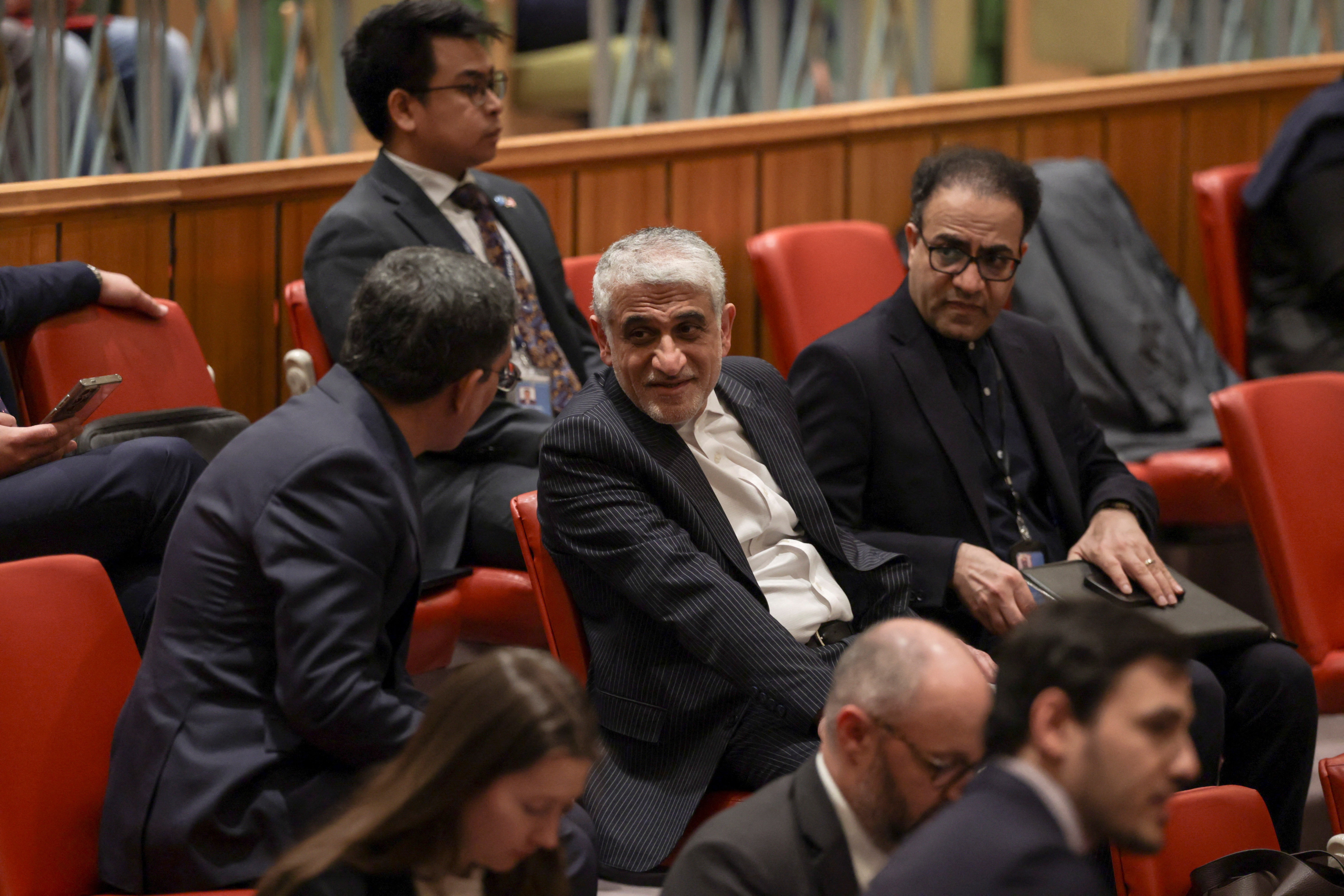
Iran executed two men on Tuesday for their alleged involvement in nationwide protests that began in January, state media reported. The executions of Abolfazl Sepahi-Badjani and Amirhossein Safari-Hosseinabadi stem from charges related to the killing of four security force members in Isfahan's Alikhani Square on January 8. This action occurs amidst a broader pattern of death sentences issued since the onset of conflict, according to human rights organizations.
These protests, the largest crackdown in the Islamic Republic's history, saw thousands of demonstrators killed by security forces. United Nations experts stated that at least 24 individuals have been executed for protest-related offenses. Human rights groups like Amnesty International and Iran Human Rights reported that Sepahi-Badjani and Safari-Hosseinabadi were publicly executed, though the official news agency Mizan did not specify the location, only that it was in Alikhani Square "in the presence of a group of people."
UN experts have raised concerns about the fairness of trials, noting that 12 individuals involved in the Alikhani Square case received death sentences in a single, closed hearing without clear individual accountability, violating fair trial standards. Human Rights Watch also reported at least 50 executions in the past four months on broad national security charges. Iranian authorities have denied accusations of prisoner abuse and maintain national unity in support of the Islamic Republic, while also warning against renewed unrest.
The reported executions in Iran follow a pattern of intensified state repression coinciding with periods of heightened geopolitical tension and internal dissent. The timing of these actions, particularly in relation to both domestic protests and external conflicts, suggests a strategy of consolidating state control through severe punitive measures. The international scrutiny from UN experts and human rights organizations highlights concerns regarding due process and the potential for politically motivated judicial outcomes. This approach, while potentially aimed at deterring future challenges to the regime, risks further alienating segments of the population and exacerbating international criticism, potentially impacting Iran's long-term stability and its engagement with the global community. The narrative of national unity presented by authorities contrasts sharply with the reported crackdown, indicating a complex internal dynamic where state security concerns are prioritized over individual rights and fair legal processes.
AI-generated to prompt reflection — not editorial opinion, not advice, not a statement of fact. How this works.