Iran Eyes Red Sea's Bab el-Mandeb Strait as New Pressure Point
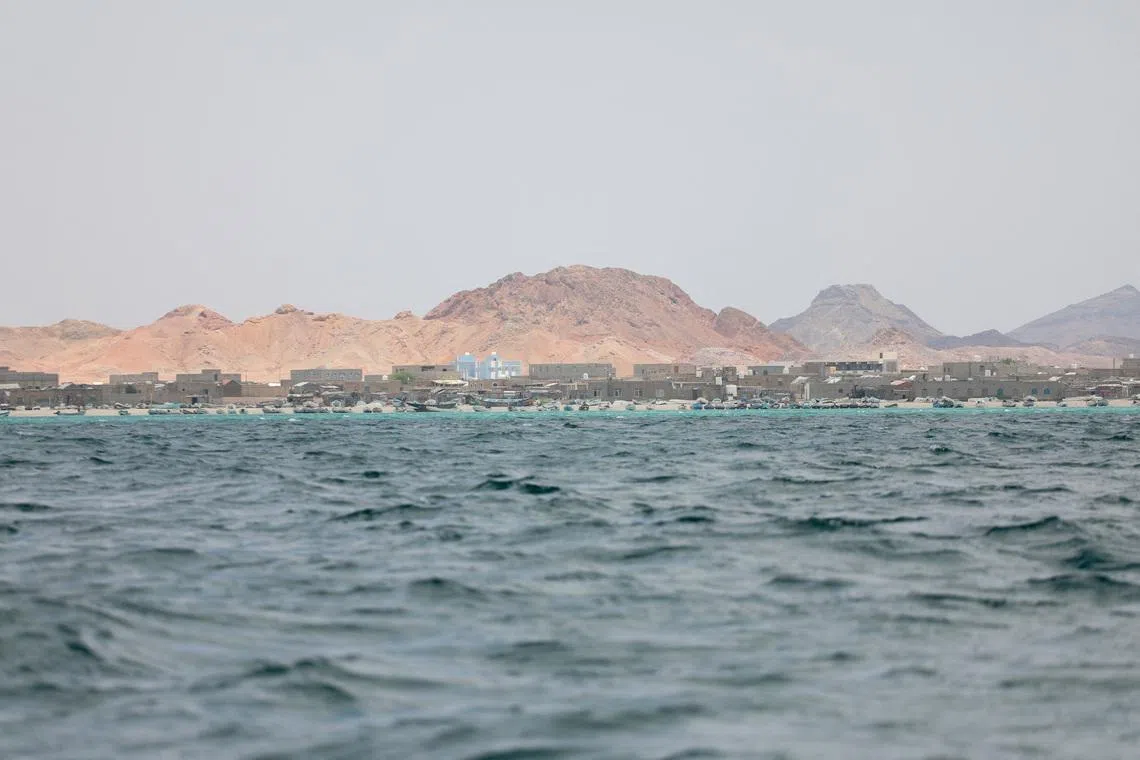
Following disruptions in the Strait of Hormuz, Iran is reportedly considering leveraging its allies in Yemen to exert pressure via the Bab el-Mandeb strait. This strategic move, if enacted, could potentially close off access to the Red Sea, a critical global shipping lane. Such an action would represent a significant escalation, opening a new front against the United States and jeopardizing two of the world's most vital routes for energy transport. The Bab el-Mandeb strait is a narrow chokepoint connecting the Red Sea to the Gulf of Aden and the wider Indian Ocean. Its closure would have far-reaching implications for global trade and energy security, impacting numerous countries that rely on this passage. This development highlights Iran's evolving strategy of using regional proxies to apply pressure on international adversaries. The potential threat to both the Strait of Hormuz and the Bab el-Mandeb underscores the vulnerability of key maritime chokepoints to geopolitical maneuvering.
The potential weaponization of maritime chokepoints like the Bab el-Mandeb strait by state-aligned non-state actors represents a significant challenge to global supply chain resilience. This strategy leverages asymmetric capabilities to disrupt international commerce and exert geopolitical leverage, potentially impacting energy prices and trade flows worldwide. The effectiveness of such tactics hinges on the ability to sustain blockades and the international community's response, balancing freedom of navigation with security concerns. Future geopolitical stability may increasingly depend on robust diplomatic frameworks and technological solutions to ensure the unimpeded flow of goods through these vital waterways.
AI-generated to prompt reflection — not editorial opinion, not advice, not a statement of fact. How this works.