Iran Faces New Era as Mojtaba Khamenei Succeeds Father as Supreme Leader
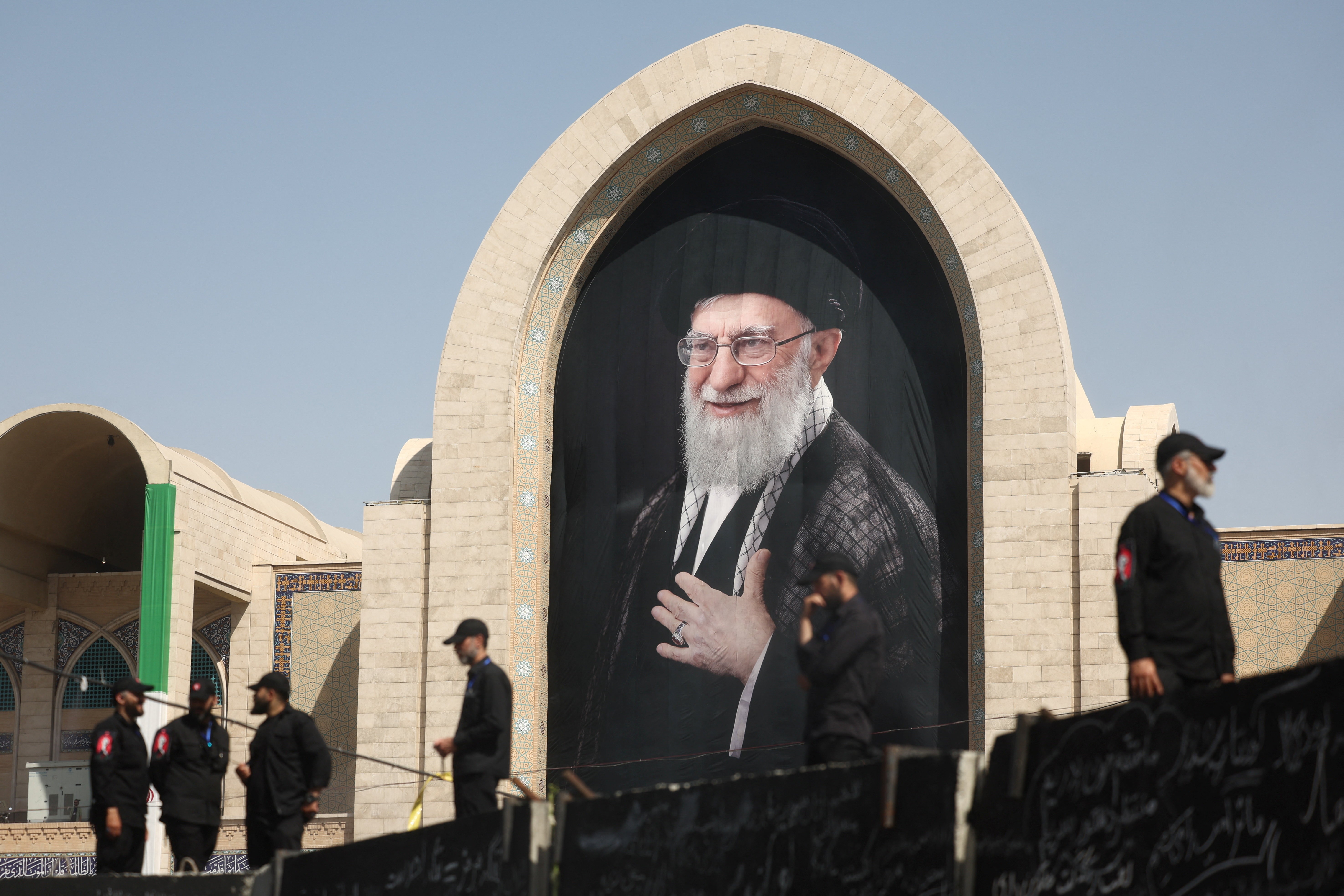
Iran has entered a new political era following the death of its Supreme Leader, Ayatollah Ali Khamenei, who was killed in a US airstrike on February 28, 2026, the first day of a renewed war. His son, Mojtaba Khamenei, has succeeded him, inheriting a political system his father spent 37 years meticulously constructing. The transition follows a week of extensive public mourning ceremonies, intended to showcase the theocratic state's ideological fervor amidst escalating conflict with the United States. Despite resisting months of intense attacks, Iran faces significant internal challenges, and Ali Khamenei's long tenure is marked by a contested legacy.
Mojtaba Khamenei, reportedly injured and disfigured in the same attack that killed his father, has remained out of public view, even missing official funeral ceremonies. This leadership change signifies a deeper transformation within Iran's power structures, shifting influence away from senior clerics and Shia seminaries towards security institutions, the Supreme Leader's office, and associated political and military networks. Elected institutions, such as the presidency, have seen their influence wane, with presidential elections becoming contests within a pre-defined political framework, limiting maneuverability in strategic areas like foreign policy and regional affairs.
Former presidents Hassan Rouhani, Mahmoud Ahmadinejad, and Mohammad Khatami were notably absent from official mourning events, with official imagery focusing on security apparatus representatives, particularly the Islamic Revolutionary Guard Corps (IRGC) commanders, and current President Masoud Pezeshkian. Pezeshkian is believed to have a close working relationship with Mojtaba Khamenei and played a key role in negotiating an end to the war with the US, securing assurances for the 'Axis of Resistance.' The IRGC's role in the confrontation with Washington has significantly boosted its confidence, and future power struggles are anticipated within the Guard, potentially shaping Iran's direction. It remains uncertain whether the traditional elite will unite behind Mojtaba Khamenei or if he will become a tool for these power groups.
The succession of Mojtaba Khamenei as Iran's Supreme Leader, following the death of his father Ali Khamenei in a US airstrike, marks a pivotal moment. The narrative of a carefully constructed power base, shifting influence from clerical bodies to security institutions like the IRGC, suggests a consolidation of control over decades. The reported injuries to Mojtaba Khamenei and his subsequent absence from public view raise questions about the stability of this transition and the internal dynamics within Iran's ruling elite. The increased prominence of security figures over former presidents during the mourning period underscores the evolving nature of Iranian governance, where strategic decision-making appears increasingly centralized within security and intelligence apparatuses. Future geopolitical stability may hinge on the internal power balance within the IRGC and the extent to which Mojtaba Khamenei can assert his authority amidst these competing factions, particularly in light of ongoing tensions with the United States and the strategic importance of the Strait of Hormuz.
AI-generated to prompt reflection — not editorial opinion, not advice, not a statement of fact. How this works.