Iran General Claims US Using 'World War III Stockpile' Against Them
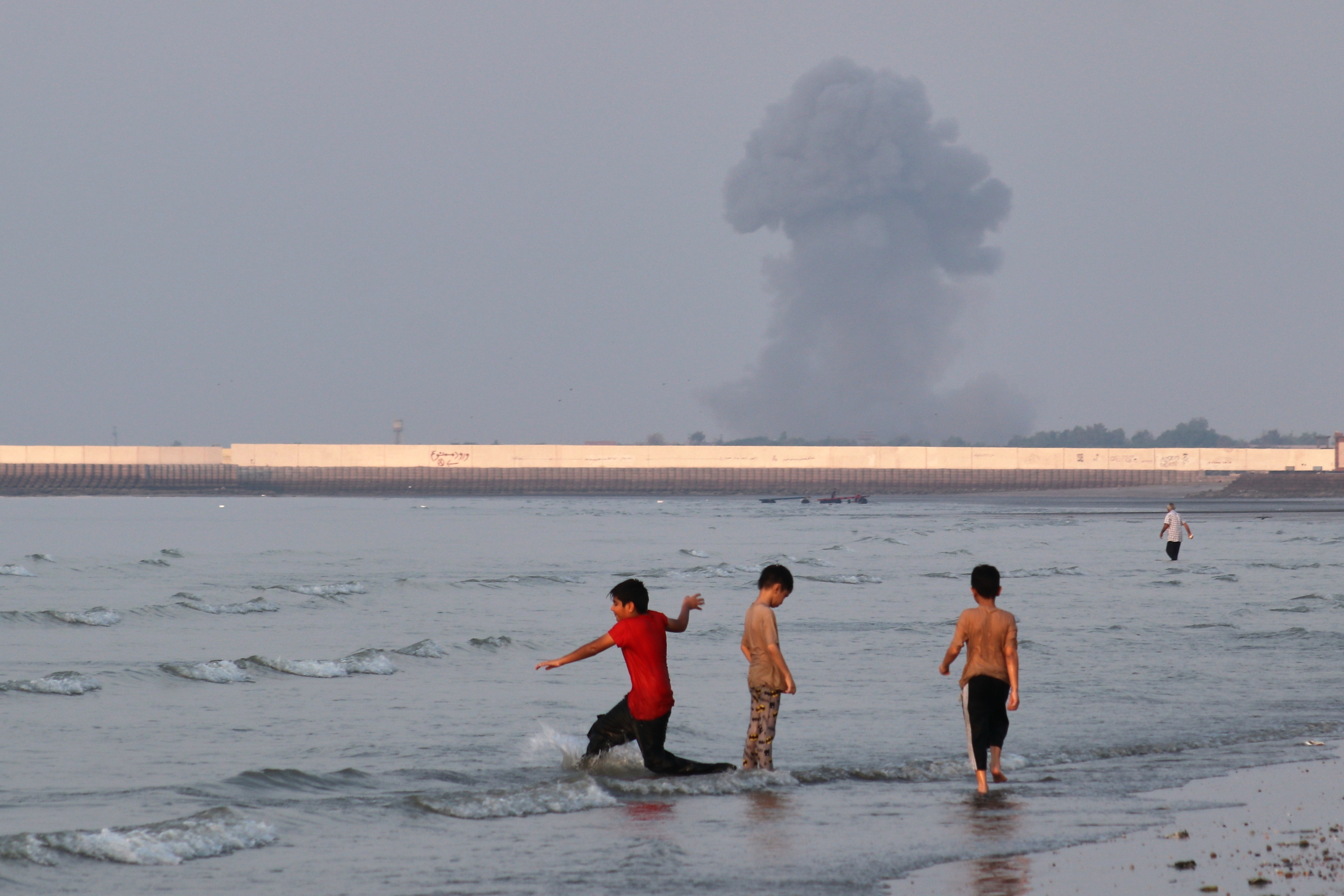
A senior Iranian military official, General Abolfazl Shekarchi, asserted that the United States is employing weapons previously unused in any conflict against Iranian territory. He stated that Washington is deploying "all capacities, all weapons, and all contingency plans" amassed for a potential World War III against Iran. According to Shekarchi, these are weapons tested globally but never deployed in actual warfare, now being utilized against the Islamic Republic. These declarations were made on Wednesday, January 22nd, coinciding with the 13th consecutive night of U.S. strikes within Iran. Explosions were reported across various Iranian locations, including the naval asset base on Qeshm island, the airbase and nuclear testing site in Isfahan, and areas in Khuzestan and Fars provinces. Iranian news agencies also reported U.S. strikes on a Revolutionary Guard naval base in northern Iran on Friday, January 24th. Meanwhile, Iran launched an offensive against a U.S. military base in northern Iraq, with explosions and smoke plumes observed near the airport in Irbil. U.S. President Donald Trump indicated on Thursday that he is considering a "massive attack" on Iran, larger than any before, stating preparations are complete. Trump also suggested Israel could join within "two minutes" if requested, though he believes U.S. support would not be necessary. The conflict has reportedly cost the U.S. at least $37.5 billion, resulting in 18 American military deaths and over 450 wounded.
The Iranian general's rhetoric frames the U.S. military actions as an unprecedented escalation, utilizing previously reserved weaponry. This narrative serves to galvanize domestic support and potentially international sympathy by portraying Iran as a victim of overwhelming force. From a strategic perspective, the U.S. deployment of advanced or previously undeclared weapon systems, if true, could be interpreted as a coercive diplomacy tactic aimed at deterring further Iranian aggression or signaling resolve. However, such claims also risk escalating regional tensions and could provoke retaliatory measures. The economic cost cited for the U.S. highlights the significant resource allocation required for sustained military operations, raising questions about long-term strategic viability and potential domestic political implications. Future U.S. policy may need to balance deterrence with de-escalation, considering the complex geopolitical landscape and the potential for unintended consequences in a region already prone to instability.
AI-generated to prompt reflection — not editorial opinion, not advice, not a statement of fact. How this works.