Iran-Gulf Tensions Flare Over Strait of Hormuz Control
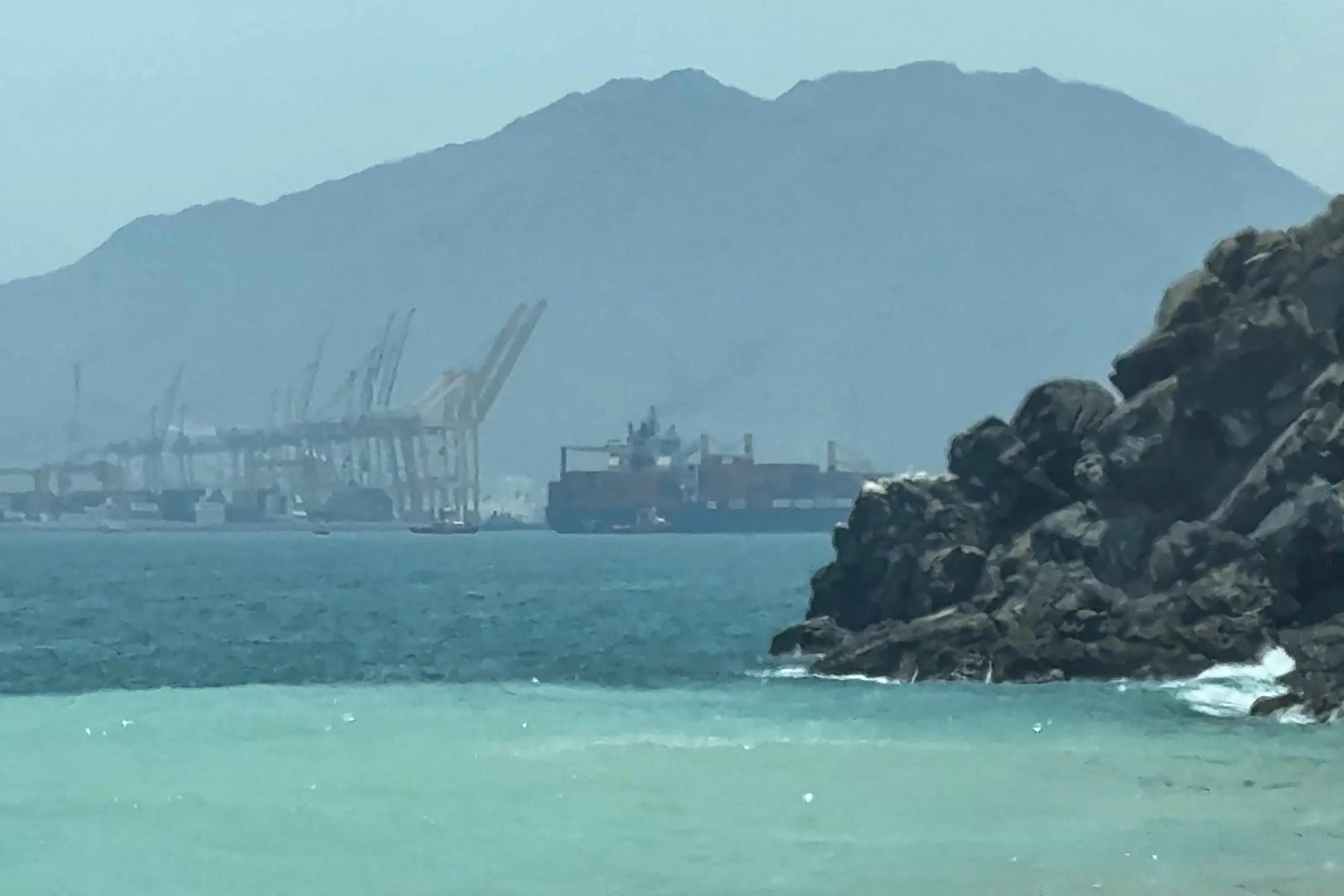
Tensions have reignited in the Persian Gulf region, with Iran reportedly seeking to assert its regional influence. The son of Ayatollah Khamenei, Mojtaba, is said to be driving this push for control over the Strait of Hormuz. This strategic waterway is crucial for global oil transit and its control is seen as a means to establish a regional order, potentially termed a 'Pax Iranica'.
The actions by Iran are perceived as a challenge to the established powers in the Gulf, referred to here as 'sheikhs'. This assertion of power by Iran, particularly through its influence over the Strait, has once again set the region ablaze with renewed conflict and diplomatic friction. The situation highlights the ongoing geopolitical competition for dominance in this vital economic and strategic area.
The reported assertion of control over the Strait of Hormuz by Iran, potentially driven by Mojtaba Khamenei, represents a strategic maneuver aimed at enhancing regional influence. This move can be viewed through the lens of geopolitical competition, where control over vital chokepoints like the Strait of Hormuz offers significant leverage in projecting power and shaping regional dynamics. The 'Pax Iranica' concept suggests an ambition to establish a new regional order under Iranian hegemony, which inherently challenges existing power structures and alliances. Such actions, while aimed at bolstering national or factional standing, carry the inherent risk of escalating regional instability, potentially impacting global energy markets and international relations. Future developments will likely depend on the responses of regional adversaries and international actors, as well as Iran's sustained capacity to project and maintain such influence.
AI-generated to prompt reflection — not editorial opinion, not advice, not a statement of fact. How this works.