Iran Halts Attack, Citing Strain on US Arms Stockpile
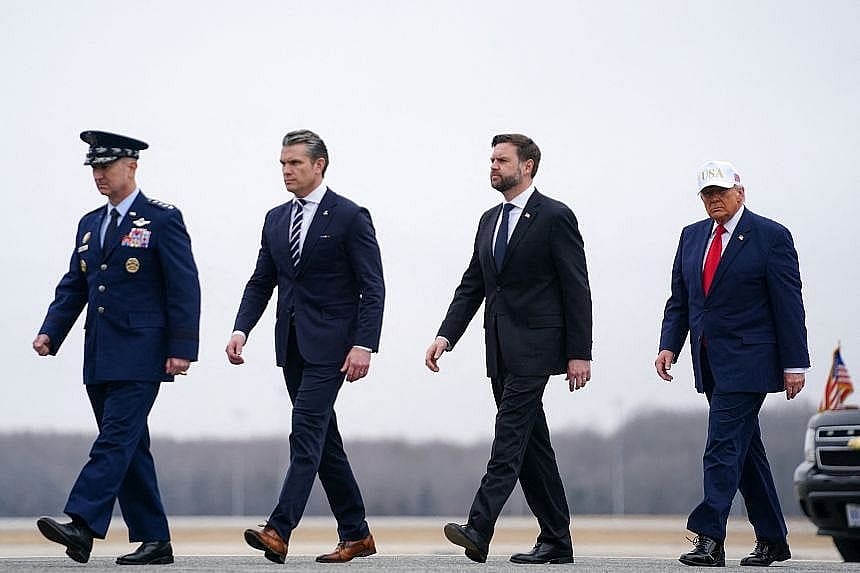
Iran has reportedly halted its planned attack, citing concerns about the strain on the United States' arms stockpile. This decision comes amid ongoing geopolitical tensions and a period of significant global military activity. The assessment of US military readiness and resource availability appears to have played a crucial role in Iran's strategic calculation. The situation highlights the complex interplay between diplomatic considerations and the practicalities of military logistics in international relations. Further details regarding the specific nature of the strain on the US arms stockpile have not been fully disclosed. The implications of this halt for regional stability and future military engagements remain to be seen. This development underscores the importance of resource management and strategic foresight in national defense planning.
The reported halt in Iran's attack, attributed to concerns over the US arms stockpile, suggests a strategic calculus influenced by logistical constraints rather than solely by political or ideological factors. This highlights the critical role of supply chain resilience and inventory management in military planning, even for major global powers. The decision may reflect an assessment of the potential costs and risks associated with depleting resources, potentially impacting future operational capabilities. It also raises questions about the transparency and accuracy of information regarding military readiness and the interconnectedness of global arms markets. Future geopolitical dynamics may increasingly hinge on such logistical considerations, prompting a re-evaluation of strategic planning to account for resource limitations and the potential for cascading effects across allied and adversary nations.
AI-generated to prompt reflection — not editorial opinion, not advice, not a statement of fact. How this works.