Iran Holds Mass Funeral for Supreme Leader Ali Khamenei Amid Regional Tensions
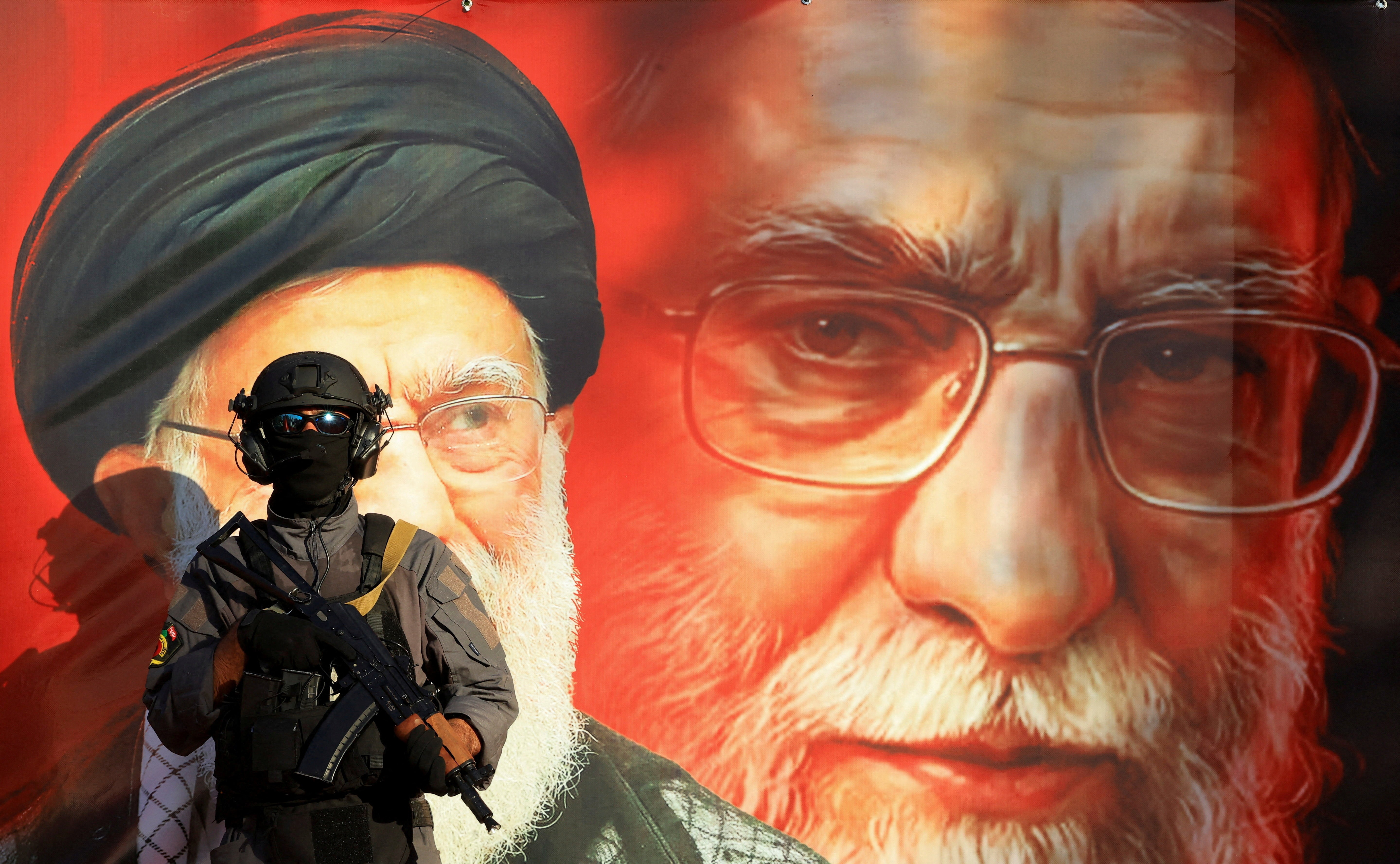
Iran is holding extensive public ceremonies to honor the late Supreme Leader, Ayatollah Ali Khamenei, with interim capital mayor Alireza Zakai describing the event as potentially the largest gathering in Tehran's history. The funeral, initially planned for early March, was postponed due to ongoing Middle East conflicts. Public events are scheduled to begin on Saturday, July 4th. Khamenei, who held ultimate authority over state affairs for 37 years, passed away at the age of 86 following alleged missile attacks by the United States and Israel on February 28th, which reportedly killed several family members. Satellite imagery indicated significant damage to his residential and work complex, though the recovery of bodies and their condition remain unclear. The announcement of the public ceremonies followed a fragile ceasefire between Washington and Tehran. The six-day event aims to bolster national cohesion and unity, with the regime mobilizing supporters across the country of approximately 93 million people. Three official days of mourning are declared in Tehran, leading to widespread business closures and activity suspensions, with extensive preparations for national visitors. Khamenei will be buried on July 9th in his hometown of Mashhad, with a funeral procession expected to pass through Iraq, including Najaf and Karbala, the day prior, seen as a projection of Iran's regional influence. His 37-year tenure was marked by escalating international tensions, economic mismanagement, corruption, and sanctions, leading to growing public discontent and subsequent forceful suppression of protests like the Green Movement in 2009 and the "Woman, Life, Freedom" movement in 2022. Khamenei's hardline approach, refusing concessions to opponents, widened the societal-political divide, leaving many weary of the current order. Supporters, however, view the nation's resilience against major military powers as a testament to its strength, especially in the context of recent bombings that devastated industrial sectors and exacerbated unemployment, particularly among the youth. The continuity of Khamenei's foreign policy is evident in the inclusion of the "Lebanon front" in recent negotiations with the U.S., strengthening ties with Hezbollah. Despite internal divisions within the leadership, particularly the Revolutionary Guard, regarding negotiations with Washington, the outcome remains uncertain. For many supporters, participating in the funeral signifies national resilience, with potential partial implementation of a 14-point agreement with the U.S. offering significant concessions, including a U.S. commitment to non-interference in Iran's internal affairs, a point previously unaccepted by Washington.
The extensive funeral arrangements for Ayatollah Ali Khamenei appear designed to project national unity and resilience, particularly in the wake of alleged external attacks and ongoing regional instability. The mobilization of citizens and the planned procession through Iraq suggest an effort to consolidate domestic support and assert regional influence. While the ceremonies aim to reinforce the Islamic Republic's standing, they occur against a backdrop of significant internal dissent and economic hardship, fueled by years of sanctions and perceived mismanagement. The government's narrative of resilience, especially in the face of military pressure, serves to galvanize supporters and potentially deter further external challenges. However, the long-term implications for Iran's governance and societal cohesion will depend on how effectively the leadership addresses the underlying economic and political grievances that have fueled persistent public discontent over the past decades. The emphasis on national strength and the potential for diplomatic breakthroughs with the U.S. indicate a strategic calculation to leverage the current geopolitical climate for domestic and international advantage, though the sustainability of such strategies remains subject to evolving regional dynamics and internal political pressures.
AI-generated to prompt reflection — not editorial opinion, not advice, not a statement of fact. How this works.