Iran Holds Three-Day Funeral for Ayatollah Ali Khamenei Four Months After Death
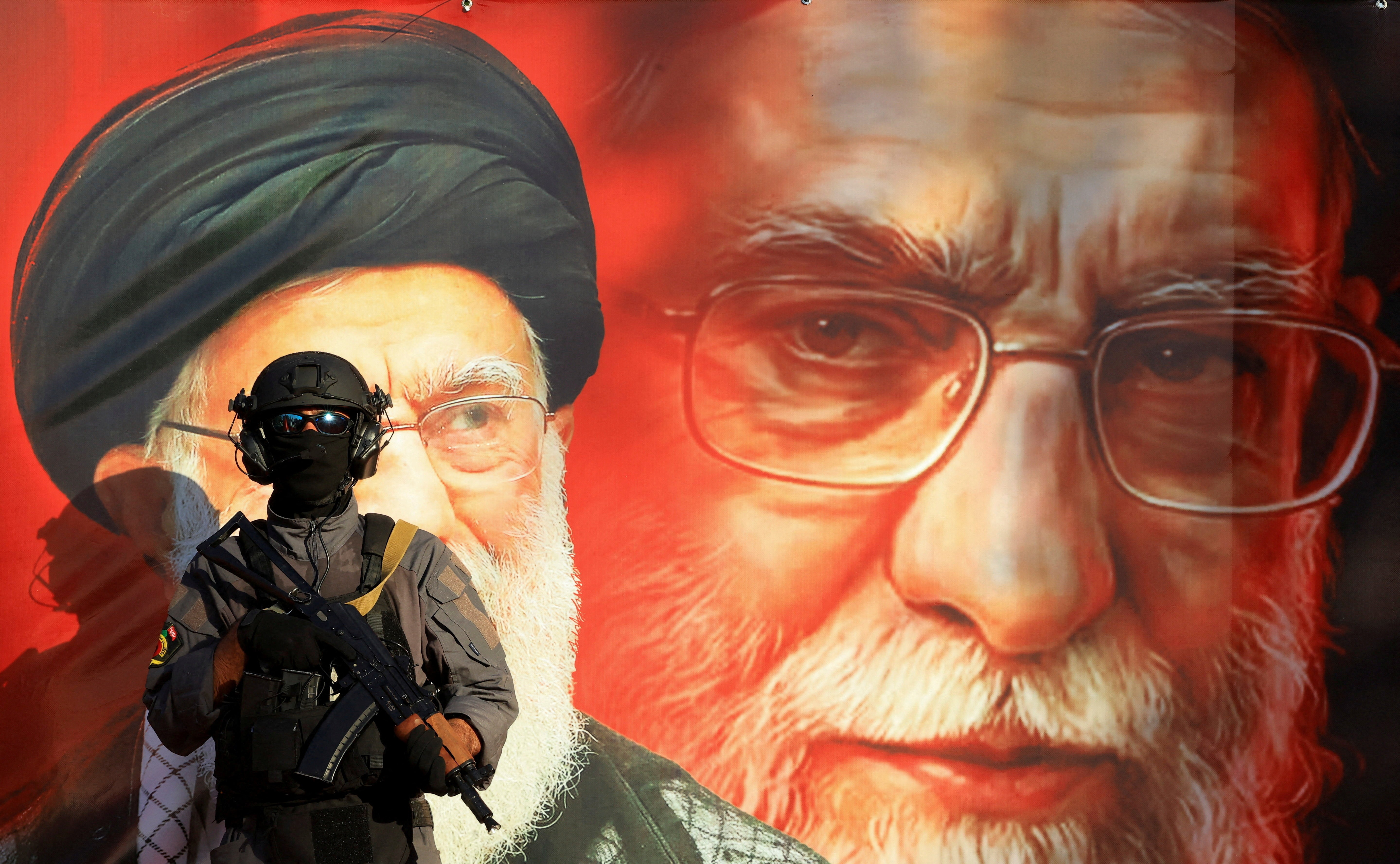
Iran has commenced a three-day funeral ceremony for Ayatollah Ali Khamenei, according to state media reports on Thursday, February 2. Images broadcast by news agencies showed the arrival of his coffin at a Shiite religious hall. The funeral takes place four months after Khamenei's death, which was attributed to an attack by Israel and the United States. Clerics leading Iran are organizing extensive funeral services, aiming to draw large crowds to demonstrate support for the Islamic Republic and reaffirm the regime's revolutionary fervor. Following indoor ceremonies, major public processions are planned in Qom and Mashhad, with additional tributes scheduled in Iraq. Ayatollah Mohammad Saidi, the Friday prayer leader in Qom, stated to state media that the public's participation in the funeral procession for Khamenei and other martyrs would effectively serve as another referendum for the Islamic Republic. To ensure a strong turnout, the government has arranged transportation, accommodation, and food for millions of supporters across the country, intending to showcase the theocratic state's resilience after what it perceives as an existential conflict. Khamenei's death and the potential succession of his son, Mojtaba, as the third supreme leader mark a significant historical juncture in the 47-year history of the Islamic Republic. Mojtaba, who was reportedly severely injured in the attack that killed his father, has not been seen publicly since the conflict began. Despite the regime's planned display of unity, analysts suggest that popular support for the Islamic Republic has been declining, with many Iranians weary of decades of economically crippling sanctions and critical of the repression enforced in the name of the 1979 Islamic Revolution. Protests against inflation in December and January saw demonstrators calling for Khamenei's death, and reports indicate authorities responded with gunfire, injuring thousands. In contrast to the somber mood, some Tehran residents reportedly celebrated Khamenei's death in the initial days of the conflict. The current atmosphere in the capital is described as tense and silent, a stark contrast to the funeral of Ayatollah Ruhollah Khomeini, the leader of the Islamic Revolution, which drew millions of mourners. One Tehran resident, Samira, 35, indicated her family would not participate in the ceremonies and planned to leave the city for a week, citing the pervasive presence of the Basij militia.
The Iranian state's extensive funeral arrangements for Ayatollah Ali Khamenei, occurring four months after his reported death in a US-Israeli attack, appear designed to project national unity and regime legitimacy. By framing the event as a public referendum, authorities aim to counter narratives of declining popular support, which is reportedly strained by economic sanctions and internal repression. The contrast drawn with the funeral of Ayatollah Ruhollah Khomeini highlights the regime's efforts to mobilize public sentiment and reinforce revolutionary ideals in a population increasingly disconnected from the revolution's origins. This strategic use of state-sponsored mourning and mobilization, particularly in the context of a potential succession crisis, underscores the enduring tension between the theocratic government's need for public affirmation and the populace's weariness with decades of governance. Future stability may hinge on the regime's ability to bridge this generational and ideological gap, rather than solely relying on displays of state power.
AI-generated to prompt reflection — not editorial opinion, not advice, not a statement of fact. How this works.