Iran Invited 400 Foreign Influencers to Cover Supreme Leader's Funeral
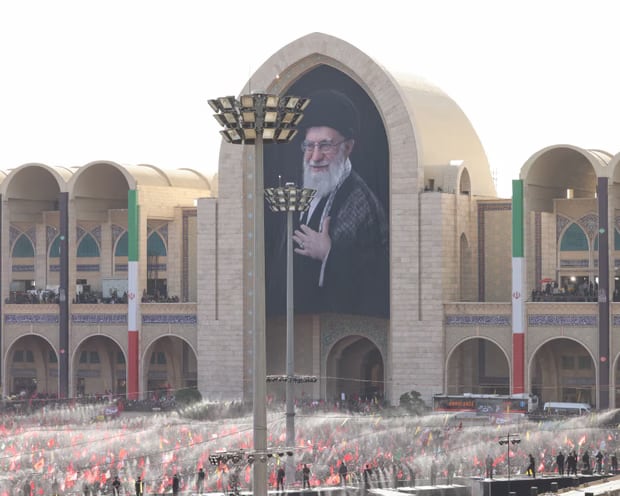
Iran reportedly extended invitations to approximately 400 foreign influencers to attend and cover the funeral of Supreme Leader Ayatollah Ruhollah Khomeini. Mohammad Mehdi Imanipour, head of the Islamic Culture and Relations Organization, stated that this initiative was successful in countering what he described as a "media attack from the West." According to Imanipour, Western media outlets were attempting to portray a distorted reality of Iranian society. The invitation of influencers suggests an effort by Iran to shape international narratives and garner favorable coverage during a significant national event. This strategy aims to bypass traditional media channels and directly engage with global audiences through social media personalities.
The Iranian government's strategy of inviting a large contingent of foreign influencers to cover a significant national event, such as the funeral of a key leader, appears to be a deliberate attempt to manage international perception. This approach leverages the reach of social media platforms and individual personalities to disseminate a state-approved narrative, potentially circumventing critical scrutiny often associated with traditional journalism. Such a tactic highlights a broader trend of state actors engaging directly with digital influencers to shape public opinion and counter unfavorable international coverage. The effectiveness of this strategy hinges on the influencers' ability to resonate with their audiences and the audiences' willingness to accept content generated through such state-sponsored invitations, raising questions about media authenticity and the evolving landscape of international public relations in the digital age.
AI-generated to prompt reflection — not editorial opinion, not advice, not a statement of fact. How this works.