Iran Invites Taliban and Afghan Opposition to Khamenei's Funeral, Sparking Debate
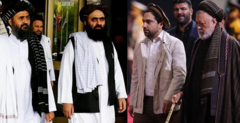
Iran has extended invitations to both a high-level Taliban delegation and prominent Afghan opposition figures to attend the funeral ceremony for Ali Khamenei, the former Supreme Leader of the Islamic Republic. This dual invitation has ignited discussions regarding Tehran's policy towards Afghanistan. The decision to invite opposing factions simultaneously suggests a complex diplomatic approach by Iran. It raises questions about how Tehran intends to manage its relationships with the various political groups within Afghanistan. The presence of both the Taliban and their adversaries at such a significant event could be interpreted in multiple ways, potentially indicating an effort to maintain dialogue with all sides or to exert influence over the future political landscape of Afghanistan. The specifics of the delegations and the expected interactions remain a focal point of this unfolding diplomatic situation.
Iran's decision to invite both the Taliban and Afghan opposition figures to the funeral of Ali Khamenei presents a complex diplomatic maneuver. This approach may reflect an attempt by Tehran to engage with all significant Afghan political actors, potentially seeking to maintain leverage or influence over the country's future stability. Such a strategy could be driven by Iran's strategic interests in regional security and its desire to prevent the escalation of conflict or the rise of hostile elements. However, it also risks creating an environment of tension and unpredictability at a sensitive event. The underlying incentive structure for Iran likely involves balancing its relationships to mitigate potential threats and maximize opportunities for regional influence, rather than endorsing any single faction.
AI-generated to prompt reflection — not editorial opinion, not advice, not a statement of fact. How this works.